In South Park and Golden Hill, the Home Inspection Stops Exactly Where the Risk Begins
September 10, 2026
September 10, 2026
A buyer in South Park closes on a 1919 Craftsman with a clean inspection report. The roof passed, the panel passed, the foundation passed. Six months later, a wet patch spreads across the side yard where a hundred-year-old ficus has been growing for longer than the house has had indoor plumbing. The inspector never saw it coming, because the inspector was never looking. The sewer lateral, the pipe that actually carries wastewater from the house to the street, sits buried and invisible, and it belongs to the homeowner, not the city.
That gap between what a standard inspection covers and what actually breaks in a century-old house is the first blind spot in this ZIP code. The second lives not underground but in a filing cabinet at the city's Development Services Department, where paperwork that once cleared in about three months was, as of late 2025, running closer to a year. Anyone buying or selling in 92102 right now is operating inside both timelines whether they know it or not, and the ones who find out during escrow instead of before it are the ones who end up negotiating from a weaker position.
San Diego draws a firm line at the property boundary. Everything from the house to the public sewer main, including the pipe running under the front yard, is the homeowner's responsibility to maintain and repair. A standard home inspection checks the roof, the panel, the water heater, the foundation. It does not check what's buried, because a general inspector has no equipment for it and no mandate to look.
That distinction matters more in South Park and Golden Hill than it does almost anywhere else in the city. South Park's residential streets carry Mexican fan palms in a canopy that's become part of the neighborhood's identity, and both neighborhoods are thick with the mature ficus, jacaranda, and pepper trees that plumbers who scope these older laterals point to as some of the most aggressive root systems in the city's older housing stock. Roots follow moisture, find a hairline crack or a loose joint in a decades-old clay lateral, and grow until the pipe backs up or breaks. A home can show perfect water pressure and fast drains on the walkthrough while the lateral underneath is one holiday dinner away from a backup.
The fix is a sewer camera inspection, run through an existing cleanout, that scopes the full length of the pipe in under an hour. Perry Plumbing & Pipelining, which has been scoping laterals under San Diego's older neighborhoods since 1977, recommends it for any home built before 1980, which covers the overwhelming majority of the housing stock in both neighborhoods. It costs a few hundred dollars and it is not required by the city at the point of sale. Nobody makes you do it. That is exactly why it gets skipped, and exactly why it belongs in a buyer's due diligence before contingencies come off, not after.
The upside in these older homes is just as real as the risk, and it moves through the same buried infrastructure of paperwork that the sewer story does. San Diego's Mills Act program lets owners of designated historic properties have their property taxes calculated on a rental-income formula instead of market value, which typically produces a reduction of 20 to 70 percent. The city's own program page confirms the benefit transfers with the land: when a Mills Act home sells, the new owner inherits the contract and the tax treatment along with it.
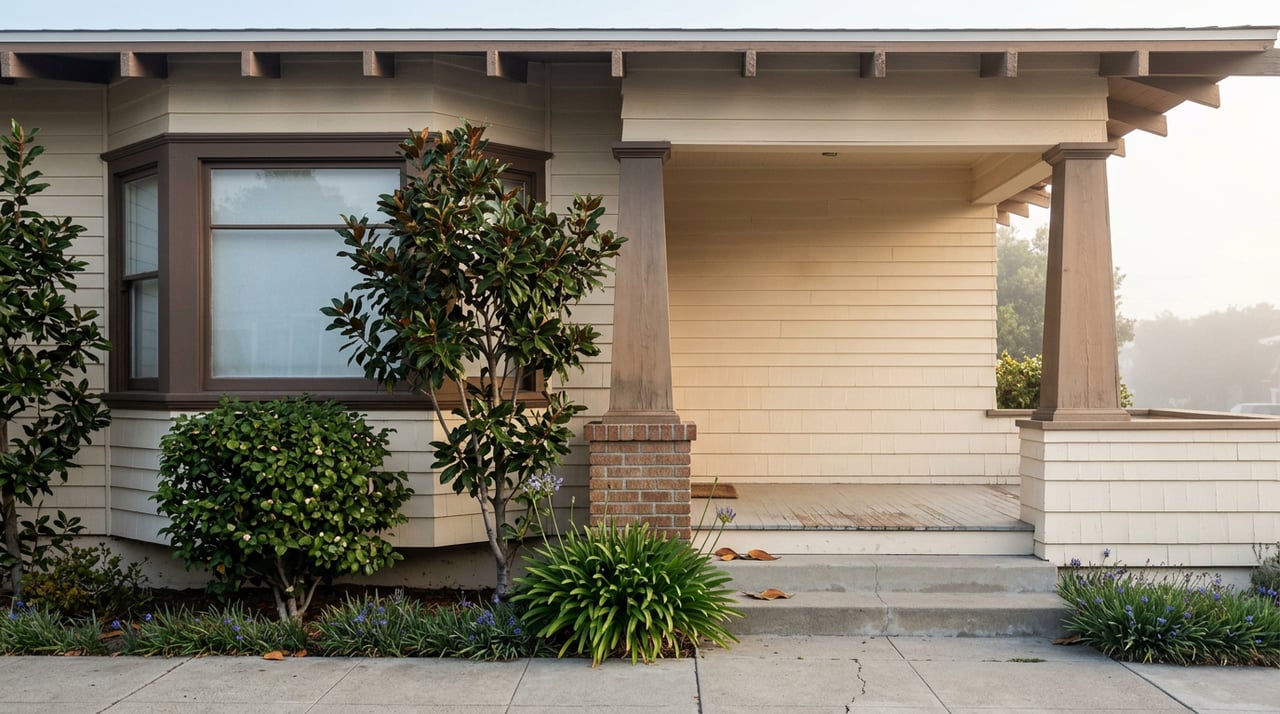
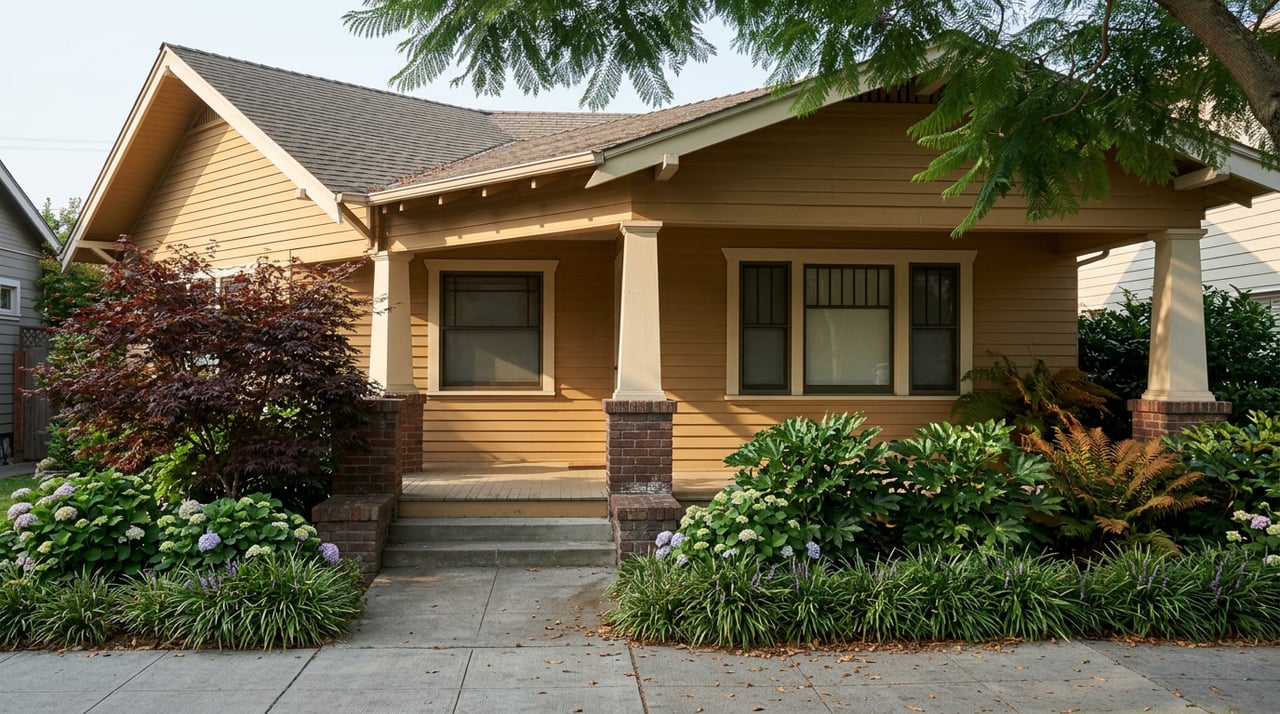
South Park has the housing stock to make this relevant at scale. The city designated the original South Park Addition subdivision as a Historic District in 2017, recognizing hundreds of built resources across the neighborhood, with the majority counted as contributing to that designation. Golden Hill carries its own historic district status. What that means in practice is that a meaningful share of the Craftsman bungalows and Spanish Colonial Revival homes on these blocks already qualify architecturally for historic designation. Qualifying is not the same as having a signed Mills Act contract on file, and plenty of homes that would sail through designation have never had an owner file the paperwork. A buyer touring two structurally similar homes on the same block could be looking at very different tax bills depending on which one has the contract recorded, and the only way to know is to check.
Here is where timing turns from a footnote into the thing that actually decides whether a strategy works. Mills Act contracts have a fixed annual application cycle. Owners of properties designated as historic must submit their contract application between January 1 and March 31 to be considered for that year. Miss the window and the wait is another full year, regardless of how ready the paperwork is.
That window assumes the designation itself is already in place, and that assumption is where the real friction sits. Historical designation has to happen before a Mills Act contract can even be filed, and the process for getting a property designated runs through the city's Historical Resources Board. At a board meeting in November 2025, Ione Stiegler, a La Jolla-based preservation architect who has worked with the process for years, told the board that decisions were running close to a year, up from roughly three months in periods when the office was moving faster. City officials confirmed the same year-long timeline at that meeting. Filing fees for an individual nomination run $3,444.36, and the completeness review alone happens seven weeks before a case is even docketed for a hearing.
Put those two clocks side by side and the strategy problem becomes obvious. A seller who decides during listing prep that Mills Act designation would help the sale has almost certainly already missed the window for this cycle. Designation alone can eat most of a year, and the contract application only opens for three months after that. A homeowner who wants this benefit to be part of a spring listing needs to have started the designation process the spring before, not the month they call a real estate agent.
| Task | Typical timeline | Who initiates it |
|---|---|---|
| Sewer lateral camera scope | Under an hour, same-day results | Buyer, before contingencies are removed |
| Historic resource designation (HRB) | Roughly a year, per November 2025 city discussion | Property owner or nominee |
| Mills Act contract application | Open only January 1 through March 31 annually | Owner, after designation is recorded |
Data through February 2026 from the local Realtor association's shared reporting for the 92102 ZIP code showed detached homes selling at 100.7 percent of list price in an average of 24 days, with just over two months of inventory. That is a market where buyers feel pressure to waive contingencies to compete, which is precisely the environment where skipping a sewer scope feels tempting and turns out to be the most expensive shortcut available. If a lateral needs trenchless repair after closing, the buyer inherits the full cost with none of the negotiating leverage a pre-close camera inspection would have given them.
On the seller side, the Mills Act timeline argues for starting earlier than instinct suggests. If a home is not yet designated and a seller wants to market the tax benefit as a selling point, the honest version of that pitch this year is "eligible for future designation," not "already discounted," because the paperwork almost certainly cannot clear in time to matter for a sale happening in the next few months. If a home already carries a recorded Mills Act contract, that is a concrete number worth pulling from the county assessor's file and putting in the listing, since it changes a buyer's real monthly cost in a way square footage never will.
Either way, the work happens before the property goes live, not during escrow. That is the version of preparation that actually protects value in a market where these two neighborhoods keep drawing buyers who want the architecture and the walkability and don't always know what sits underneath either one.
Does a sewer lateral scope hold up escrow? No. It typically runs same-day through an existing cleanout and the results come back fast enough to fold into a normal inspection period.
If a house sits inside the South Park or Golden Hill Historic District, does the tax break apply automatically? No. District designation makes a home eligible to pursue Mills Act status, but the owner still has to file for individual historical designation and then apply for the contract itself. Being inside the district is the starting point, not the benefit.
Can renovations void a Mills Act contract? Interior changes are generally the owner's to make. Exterior alterations visible from the street typically require review against preservation standards, so it's worth checking before starting any work on a facade, roofline, or front-facing window.
If you're weighing a purchase or a listing in South Park or Golden Hill and want a clear read on what's actually recorded on a specific property, whether that's a Mills Act contract, a historic designation status, or the age and condition of the utilities nobody sees on a walkthrough, the Olga Stevens Group can help you pull the right records before you're locked into a timeline that doesn't work in your favor. Schedule a private consultation and we'll walk through what's actually on file for the home you're considering.
Stay up to date on the latest real estate trends.




Contact Olga Stevens Group today to learn more about their unique approach to real estate, and how they can help you get the results you deserve.