How to Stage a Del Mar Luxury Home for Sale
July 16, 2026
July 16, 2026
What makes a high-end home in Del Mar feel unforgettable? In this market, it is rarely just square footage or finishes alone. Buyers are often responding to the full experience of the property, especially the light, the layout, and the way the home connects to ocean, canyon, lagoon, or community views. If you are preparing to sell, the right staging strategy can help your home photograph beautifully, show with confidence, and support a stronger first impression from day one. Let’s dive in.
Del Mar is a coastal, view-driven market, and that changes how a luxury home should be presented. The city recognizes scenic views from primary living areas as a meaningful part of the property experience, including views of the ocean, community, lagoons, canyons, and other scenic vistas. That means staging should not compete with what buyers came to see.
In practical terms, your goal is to preserve sightlines and let natural light do its work. Furniture, art, and accessories should support the architecture and the setting, not overwhelm them. In a high-end Del Mar home, restraint often reads as more sophisticated than excess.
The market context matters too. Redfin reported a median sale price of $4.3 million in Del Mar for the three months ending May 2026, up 11.6% year over year. In a price range where expectations are high, polished presentation can carry real weight.
National Association of Realtors staging research from 2025 found that 83% of buyers’ agents said staging makes it easier for buyers to visualize a home. The same research found that 29% said staging increased the dollar value offered by 1% to 10%, and about half said it reduced time on market. For luxury sellers, that is a strong case for treating staging as part of the listing strategy, not an afterthought.
Not every room needs the same level of attention. NAR’s 2025 staging profile shows that the living room, primary bedroom, dining room, and kitchen are the spaces most commonly staged. In Del Mar, any outdoor area with a meaningful view should also move to the top of the list.
These are the spaces where buyers tend to form their emotional connection to the home. They are also the rooms most likely to anchor your listing photography and early online interest. If you prioritize well, you can create a more cohesive presentation without over-staging every corner.
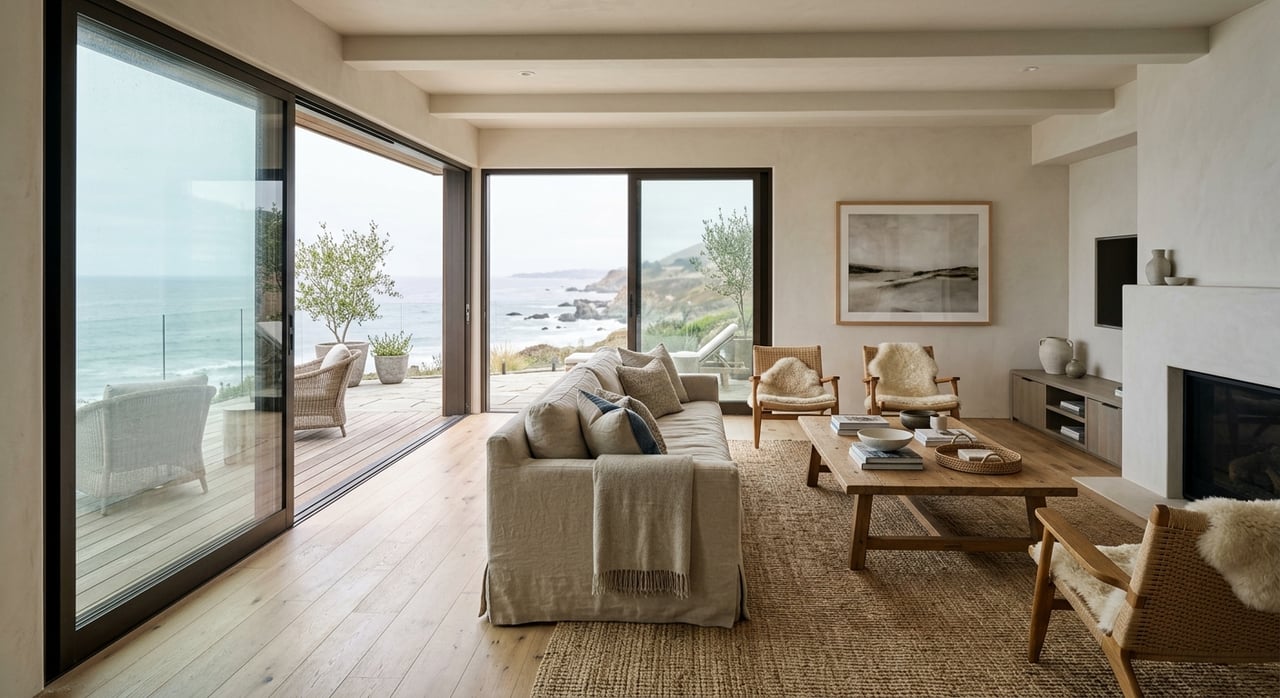
In a Del Mar living room, the layout should lead the eye outward. Large sofas, tall case pieces, or heavy accent chairs can interrupt the visual path to windows, sliders, and terraces. Low-profile furnishings usually work better because they keep the room open and let the setting remain the focal point.
Seating should also make sense for how the room lives. If the home has a view, orient at least part of the conversation area toward it. That small choice can help buyers instantly understand the lifestyle the space offers.
Luxury buyers expect kitchens and dining spaces to feel clean, calm, and ready for entertaining. Countertops should be mostly clear, with only a few intentional styling pieces. Dining tables should feel scaled to the room and never overcrowded.
Neutral styling tends to perform best because it helps buyers picture their own routines and gatherings. If the home needs paint touch-ups or cosmetic refreshing, simple, light, neutral choices usually support a broader appeal.
The primary bedroom should feel restful, spacious, and elevated. Remove extra chairs, bulky storage pieces, or decor that makes the room feel busy. Bedding, lighting, and accessories should feel polished without becoming overly thematic.
The goal is not to create a hotel set. It is to help buyers understand the space, the scale, and the sense of retreat it offers.
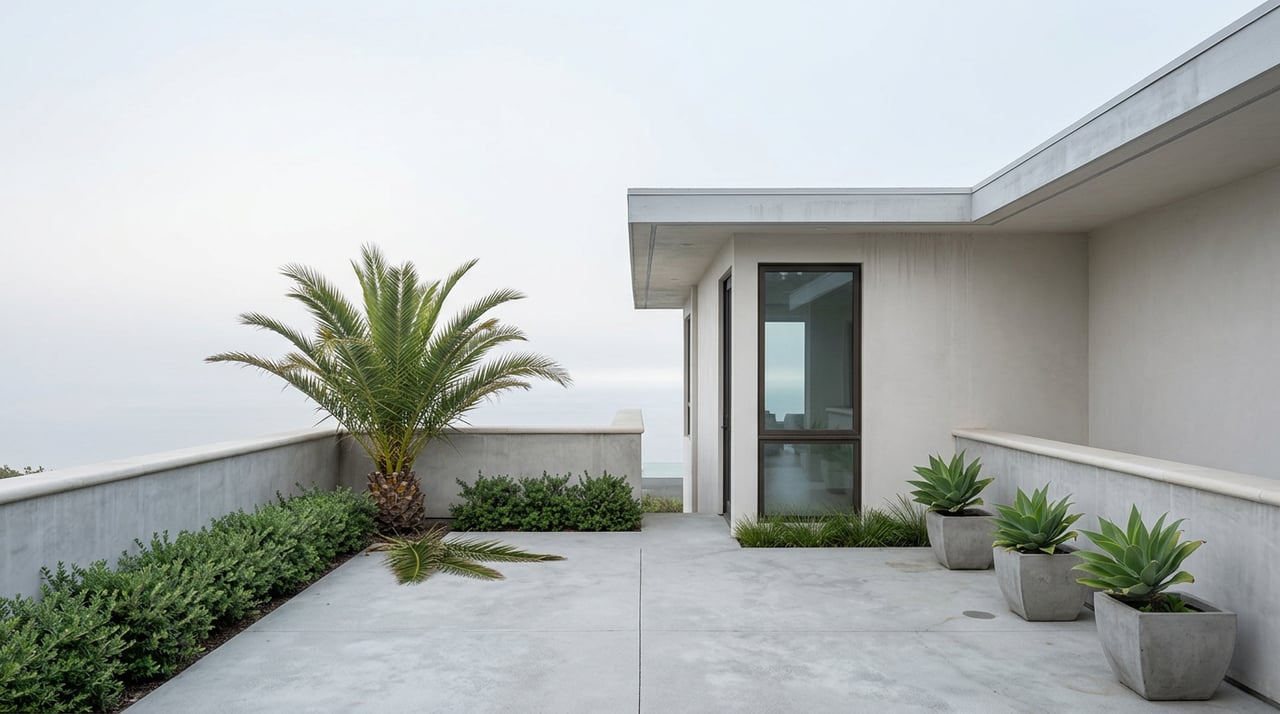
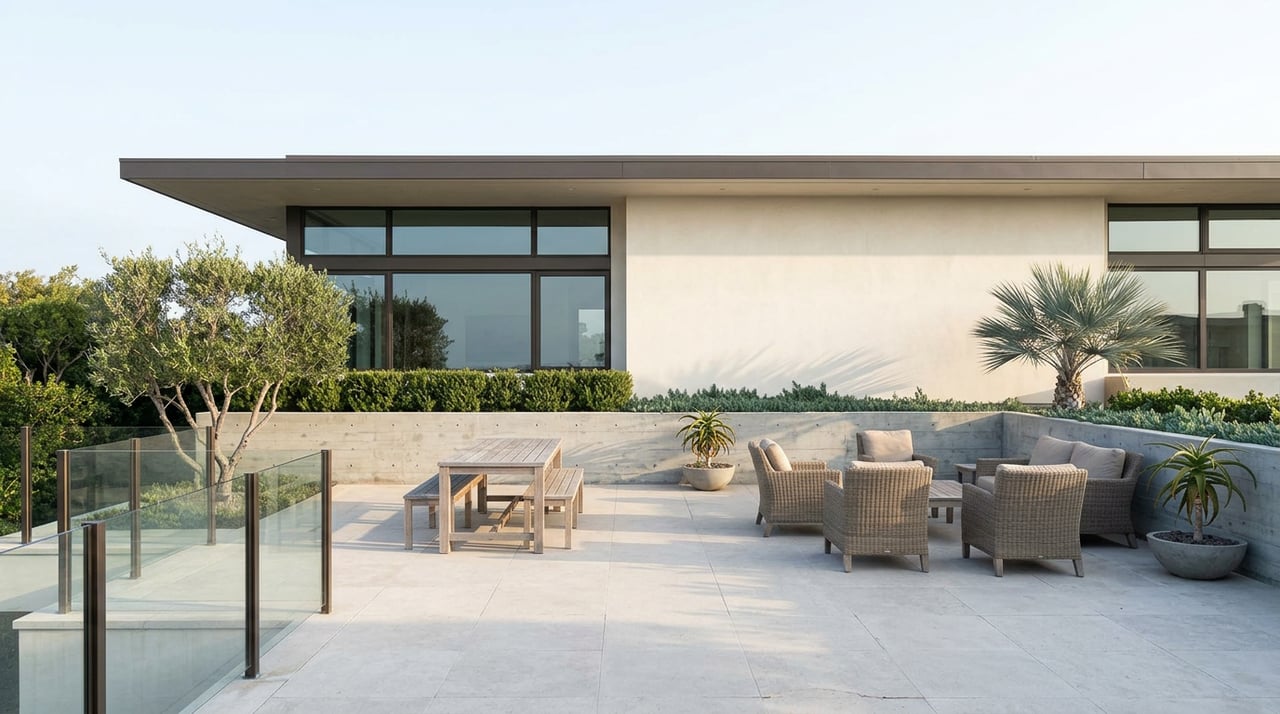
In Del Mar, terraces, patios, decks, and yards are often part of the core value of the property. If you have a view-facing outdoor space, stage it with the same care you would give a living room. Buyers should immediately understand where they would sit, dine, or unwind.
That does not mean filling the area with furniture. It means choosing a few well-scaled pieces that define use while keeping circulation open and views unobstructed.
The strongest staging for a luxury coastal home is usually clean, warm, and lightly layered. NAR’s consumer guidance on staging emphasizes highlighting the home’s strengths, depersonalizing, using neutral paint where needed, removing bulky furniture, and keeping storage spaces from looking packed. Those principles fit Del Mar especially well.
A high-end coastal look does not need seashell motifs or obvious beach themes. In fact, theme-heavy styling can distract from the architecture and setting. Instead, think in terms of texture, scale, balance, and softness.
Here are a few useful staging principles for this market:
This kind of presentation feels current, refined, and easy for buyers to absorb both in person and online.
One of the most valuable staging ideas for Del Mar homes is simple: treat windows, glass doors, and terraces as part of the living space. Zillow’s photography guidance recommends removing screens when they reduce light or views, keeping large furniture out of the foreground, and showing how rooms connect. Those ideas apply long before the photographer arrives.
When staging is done well, the eye moves naturally from interior rooms to exterior living areas and beyond. Open circulation paths help. So does thoughtful furniture placement that avoids crowding the glass.
If your home has expansive glazing or a signature view corridor, every object near that line should earn its place. The most effective rooms often feel a little lighter and more open than your everyday lived-in setup.
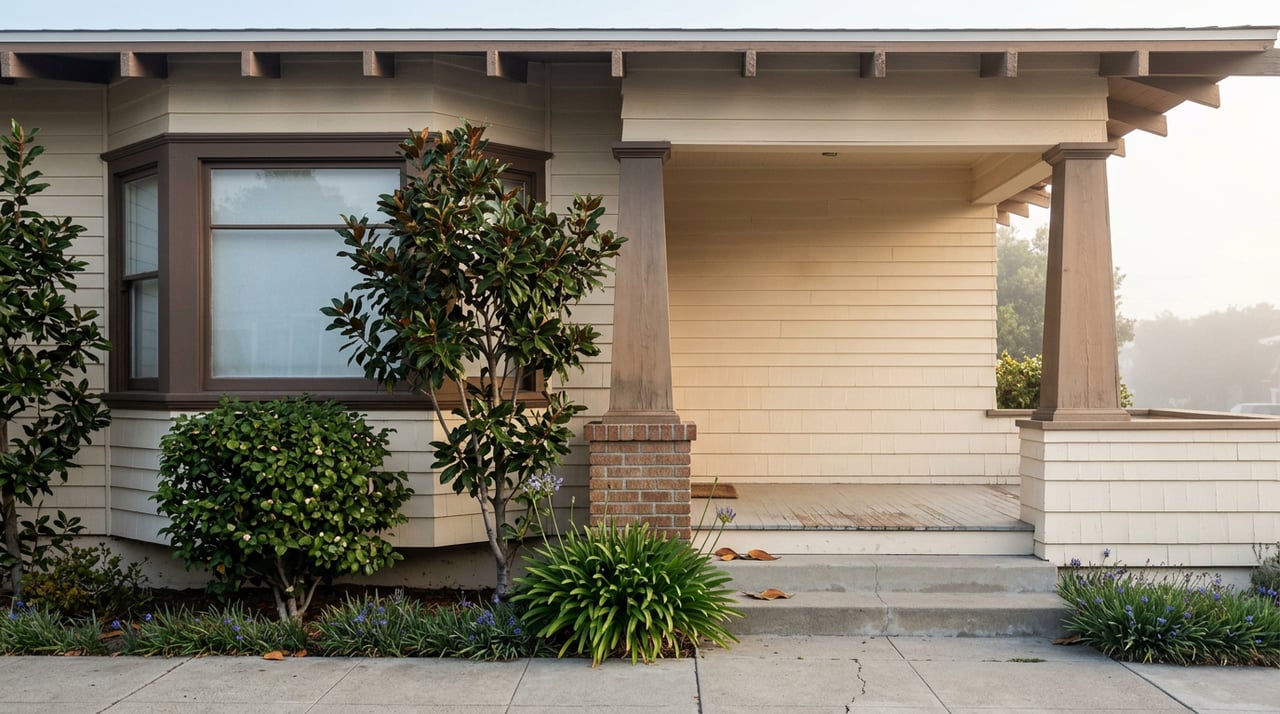
Before staging begins, it helps to address the things buyers notice first. NAR data shows that sellers’ agents most often recommend decluttering, whole-home cleaning, and curb appeal improvements. In luxury homes, those basics still matter, and often more than sellers expect.
The most useful pre-list updates are usually the ones that read instantly in person and in photos. That can include repairing obvious flaws, refreshing paint, improving flooring, updating landscaping, and completing cosmetic improvements that sharpen the overall presentation.
For sellers who want a more coordinated process, the Olga Stevens Group can help guide staging and pre-sale project coordination through a concierge-style approach, including Compass Concierge options and design input. That kind of planning can make the work more efficient and help you focus on updates with the clearest visual payoff.
When these steps are handled in the right order, staging feels more intentional and the listing launch tends to look more seamless.
Not all staging is equal, especially in the luxury segment. NAR’s 2025 research found that the quality of design and the price of the staging service are the two most important factors sellers’ agents consider when choosing a stager. That supports a smart luxury principle: hire for judgment, not just for the lowest bid.
In Del Mar, scale matters. Furniture that works in a standard home may feel too small, too bulky, or simply off in a property with dramatic architecture, large rooms, or strong indoor-outdoor flow. A well-matched staging plan should feel tailored to the home’s proportions and style.
Execution matters just as much. Clean installation, cohesive styling, and a layout that photographs well can shape how buyers interpret value before they ever step through the front door.
Staging should not happen in isolation. It works best as part of a coordinated listing rollout that includes final touch-ups, photography, and marketing. NAR reported in 2026 that 81% of buyers rated listing photos as the most useful feature in their online home search. Zillow also reported that 79% of recent buyers shopped online to find their home, with nearly half saying professional photos were extremely or very important.
That means your first days on market matter. NAR also notes that early views, saves, and shares help a listing gain traction after launch. If the staging is unfinished, the photography is rushed, or the sequence is poorly timed, you can lose momentum before the home has had a fair chance to shine.
For a Del Mar luxury listing, the photo story should center on what buyers are actually shopping for in this market. That often includes:
Zillow’s photography guidance also supports sunny-day shooting, wide compositions, open doors between rooms, angled exterior shots, and interiors captured when natural light is strongest. In a view market like Del Mar, every image should reinforce openness, brightness, and lifestyle.
Even beautiful homes can lose impact when staging choices fight the property. The most common issues tend to be over-furnishing, over-accessorizing, and blocking the very features that set the home apart.
Watch for these missteps:
The best staging feels effortless, but it is usually the result of disciplined editing. In luxury real estate, subtraction is often just as important as styling.
In Del Mar, staging is not just about making a home look pretty. It is about helping buyers understand the value of the property quickly and emotionally. That matters in a market where views, architecture, and indoor-outdoor living often drive purchase decisions.
When you combine decluttering, visible pre-list improvements, thoughtful furniture placement, and a well-timed photo launch, you create a stronger overall impression. Buyers can visualize the home more easily, online presentation becomes more compelling, and the listing enters the market with greater confidence.
If you are preparing to sell a luxury home in Del Mar, a staged, photo-ready presentation can help showcase what makes your property distinct. For tailored advice on pre-sale preparation, staging coordination, and a polished launch strategy, schedule a private consultation with Olga Stevens Group.
Stay up to date on the latest real estate trends.

Contact Olga Stevens Group today to learn more about their unique approach to real estate, and how they can help you get the results you deserve.