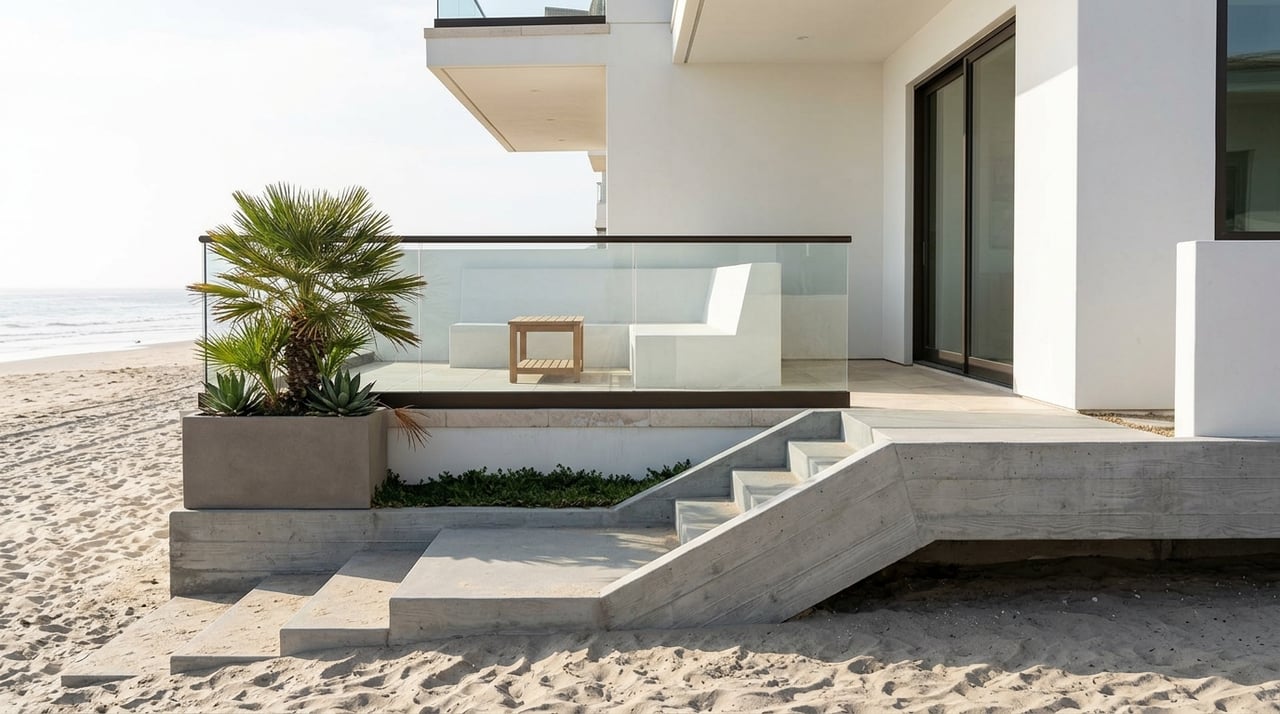
What Beachfront Living in Del Mar Is Really Like
April 16, 2026
April 16, 2026
If you picture Del Mar as a place that only comes alive in summer, you are only seeing part of the story. Year-round beachfront living here is shaped by morning marine layer, daily walks along a compact shoreline, village dining, parking logistics, and the steady pulse of events that can make the coast feel calm one day and lively the next. If you are considering buying, selling, or simply understanding the Del Mar lifestyle more clearly, this guide will help you see what life near the sand actually looks like beyond vacation season. Let’s dive in.
Del Mar’s shoreline is intimate compared with larger beach communities. The city describes it as more than two miles of sandy beach, with Powerhouse and Seagrove Parks above the 15th Street surf break and North Beach stretching toward Solana Beach.
That smaller footprint gives Del Mar a distinct rhythm. Instead of feeling spread out, beachfront life often centers around a few recognizable access points, parks, and village destinations that become part of your weekly routine.
Another important detail is public access. The city notes that the beach is accessible at street ends, the river mouth, and Powerhouse Park, which reinforces that the shoreline is a shared public asset woven into daily life in Del Mar, not a private edge enjoyed only from nearby homes. You feel that in the constant movement of walkers, surfers, beachgoers, and locals heading down to the sand.
One of Del Mar’s biggest year-round advantages is its mild coastal climate. Using nearby San Diego as a coastal benchmark, the National Weather Service describes a pattern of relatively small seasonal swings, with winter averages in the upper 50s and summer averages in the low 70s Fahrenheit, plus about 10 inches of annual rainfall concentrated from November through March.
That means outdoor living is realistic for much of the year. Walks, runs, coffee on a patio, and time at the beach are not reserved for a short high season.
Still, beachfront living here is not endless postcard sunshine. The same climate pattern includes low clouds and marine layer in spring and summer, especially overnight and in the morning, with fog more common along the coast than inland. In practical terms, your day may begin cool and gray before turning bright later on.
Living near the beach in Del Mar is often less about big event moments and more about small, repeatable habits. You may start the day with a shoreline walk, check surf conditions, head into the village for coffee or lunch, or plan an afternoon around changing weather, parking demand, or beach activity.
Safety also plays a visible role in how the beach functions day to day. Del Mar lifeguards patrol 2.2 miles of shoreline year-round and warn visitors about rip currents, unstable cliffs and bluffs, and other coastal hazards. The scale is notable, with the department reporting roughly 800 water-related rescues, 1,100 medical aids, and about 3 million beach visitors annually.
That year-round staffing is one reason Del Mar feels more like a functioning coastal community than a seasonal resort. Even outside peak summer, the beach remains active, managed, and very much part of everyday life.
For many buyers, North Beach is a standout lifestyle feature. The city identifies it as Dog Beach and one of the few off-leash dog beaches in the county, which gives this part of Del Mar a unique draw for residents who want beach access to be part of daily routines with their pets.
That kind of amenity can shape how you use the shoreline all year. Instead of saving beach visits for weekends or guests, you may find that quick morning or sunset trips become part of normal life.
Parking is one of the most practical parts of living in or visiting beachfront Del Mar. The city’s parking information lists rates of about $4.12 per hour at South Del Mar and North Beach, with all-day parking at North Beach for $20.60. It also offers an annual voluntary prepaid parking permit for $803.
That matters because access and convenience can vary a lot depending on the day and season. Del Mar’s parking enforcement team manages scarce parking resources year-round, and the city explains that meters and timed spaces are used to keep turnover moving in high-demand areas. Patrol hours also extend later on Fridays and Saturdays, with even longer summer-season enforcement windows.
Free parking does exist, but the city notes that on busy summer days nearly all spaces may be full by noon. Its guidance also points to loading zones near Powerhouse Park, 18th Street, 26th Street, and the Del Mar Hotel, which can be useful details if easy beach drop-off matters to you. You can review the city’s free parking guidance here.
A big part of Del Mar’s appeal is that dining and social life are concentrated rather than scattered. The Del Mar Village dining guide highlights a collection of restaurants, cafés, and bars near the coast, giving the area a walkable, lifestyle-driven feel.
This setup supports a more lived-in version of beachfront ownership. Instead of treating the beach as a destination, you can pair a walk on the sand with lunch, errands, or a stop at the village in the same outing.
The village also hosts the Del Mar Farmers Market year-round on Saturdays from 1:00 to 4:00 p.m. at Civic Center Plaza. That kind of recurring local activity adds consistency to the off-season months and helps explain why Del Mar feels active even when it is not in peak vacation mode.
Del Mar has a layered personality. Some days feel serene and local, while others are shaped by seasonal crowds, special events, and regional visitors.
A major reason is the Del Mar Fairgrounds. According to the city, the 340-acre property hosts around 300 events each year and draws about 3 million visitors annually. Its event calendar includes major draws like the San Diego County Fair, the Del Mar National Horse Show, and Del Mar Thoroughbred Club racing.
This matters if you are evaluating the lifestyle from an ownership perspective. The same home can feel peaceful on a quiet weekday morning and much busier during a fairgrounds event window or summer weekend.
Beyond the fairgrounds, community events also help define the year-round rhythm. The village’s events calendar includes recurring programming such as community cleanups, holiday events, and the Summer Solstice celebration at Powerhouse Park. The city also notes that Powerhouse Park can be rented for special events throughout the year.
Ocean views and direct coastal access are major draws, but ownership along the shore in Del Mar also comes with a more active planning environment than many inland locations. The city identifies beachfront and bluff-top residences, along with roads, utilities, commercial areas, and public access points, as potentially vulnerable to sea-level-rise-related impacts in its local coastal planning framework.
Del Mar is not passive about these issues. Its sea level rise planning emphasizes beach nourishment, river-channel dredging, and flood management, while continuing to monitor beach width, bluff conditions, and flood patterns over time. The city also states that planned retreat is not necessary or feasible in Del Mar under its current strategy, which you can read more about in its sea level rise planning overview.
The city has also secured approvals for the Sand Compatibility Opportunistic Use Program, or SCOUP, which allows beach-quality sand placement on city beaches over a five-year period. According to the city, wider beaches can help protect property against erosion and flooding.
For homeowners and buyers, the practical takeaway is simple. Beachfront living in Del Mar is not just about the view. It also means understanding permitting, shoreline protection rules, beach preservation efforts, and the city’s long-term approach to erosion and coastal resilience.
The best way to think about Del Mar is not as a summer-only getaway, but as a small coastal community with a very specific routine. Morning walks, surf checks, dog beach access, village dining, public beach use, and event-driven traffic patterns all shape the experience.
That balance is what many people find appealing. You get a setting that can feel elegant and low-key on an ordinary weekday, while still offering periods of activity and energy tied to summer crowds, fairgrounds programming, and special events.
If you are considering a purchase, a sale, or a second-home move in Del Mar, it helps to look beyond the postcard version of the coast. The real value often lies in how the area functions in February, May, October, and on a regular Tuesday morning, not just on a sunny holiday weekend.
When you want guidance on luxury coastal real estate across Del Mar and greater San Diego, the Olga Stevens Group offers a polished, hands-on approach grounded in experience, design insight, and concierge-level service.
Stay up to date on the latest real estate trends.


Contact Olga Stevens Group today to learn more about their unique approach to real estate, and how they can help you get the results you deserve.