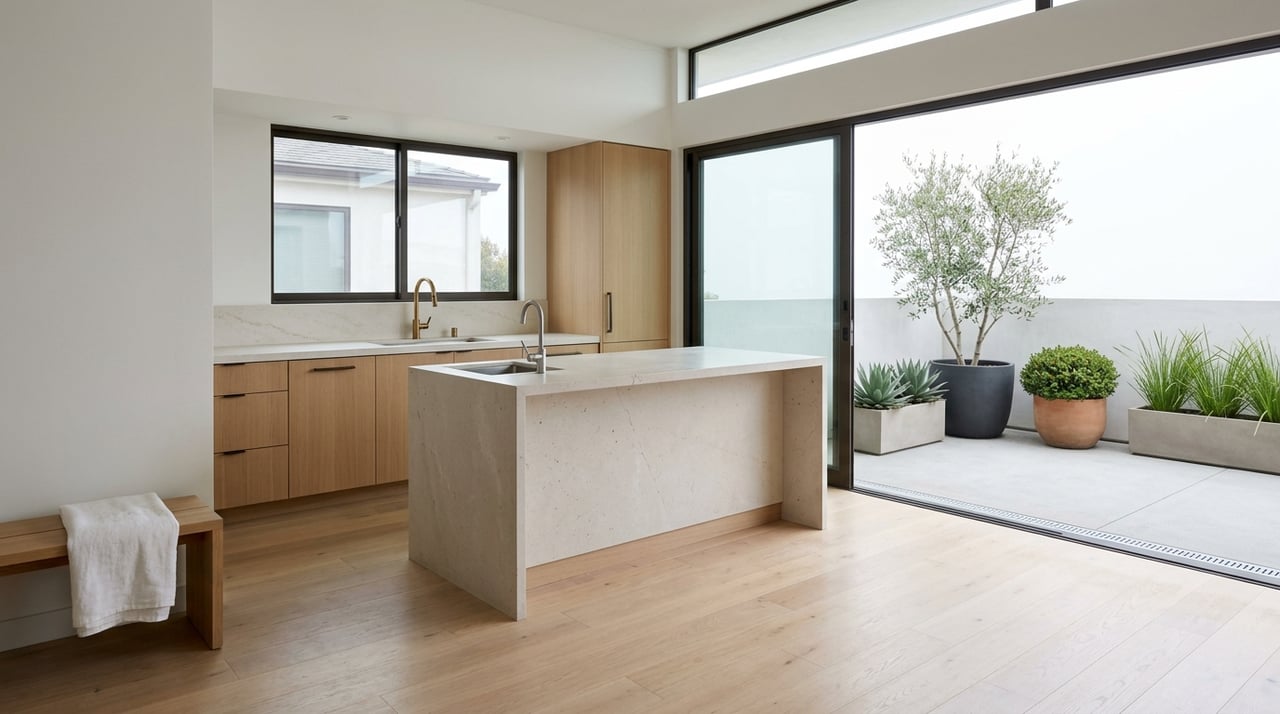
Smart First Steps for Listing a La Jolla Luxury Home
May 7, 2026
May 7, 2026
If you are getting ready to sell a luxury home in La Jolla, the biggest wins often happen before your property ever hits the market. In 92037, buyers are comparing premium homes closely, and small gaps in pricing, condition, or presentation can shape how quickly a property moves and how strong the offers look. With the right prep, you can reduce surprises, sharpen your value story, and launch with more confidence. Let’s dive in.
Before you paint, stage, or schedule photos, it helps to understand the market your home is entering. In March 2026, Redfin reported a median sale price of $2,402,500 in 92037, with a median 44 days on market and a 98.2% sale-to-list ratio. Homes received about two offers on average, which points to a market that is still active, but not one where sellers can rely on demand alone.
That context matters even more when you look at nearby coastal luxury areas. Del Mar posted a higher median sale price of $4.3 million and a much longer 112 days on market, while Coronado showed a median sale price of $2,189,500 and a faster 32 days on market. Based on those snapshots, La Jolla sits in an interesting middle position in the coastal luxury corridor.
For you as a seller, that means broad zip code averages are only the starting point. Your pricing, launch timing, and prep plan should be shaped by your home’s exact location, condition, and how it compares with the most relevant competing listings. In the luxury segment, the comp set matters just as much as the improvement list.
Luxury buyers notice details quickly, and the camera notices even more. If your property looks unfinished online, that first impression can be hard to reverse later. In a market where presentation helps support premium pricing, the goal is to complete visible prep work before photography day.
Start with the items buyers will see immediately, both in person and in listing photos. Trim touch-ups, pressure washing, landscape cleanup, lighting checks, polished hardware, and repairs to visible wear all help your home feel market-ready. These are simple improvements, but they support the elevated positioning expected at La Jolla price points.
For coastal properties, the exterior review should be more careful than it might be inland. FEMA guidance notes that coastal homes face added exposure to wind-driven rain, corrosion, moisture, and decay. FEMA also warns that aluminum soffit panels can be vulnerable in salt-laden air, and damaged roof flashing can lead to leaks, mold growth, corrosion, and dry rot.
That is why it is smart to closely inspect roof edges, flashing, gutters, exterior caulking, balcony railings, painted metal, garage-door hardware, and window seals. In La Jolla, salt air and wind-driven moisture often show up first in those places. Even a well-kept home can show coastal wear if these items have not been addressed.
A pre-listing general home inspection can help you identify issues before a buyer does. In San Diego, one especially practical step is checking the sewer lateral. The City of San Diego states that the property owner is responsible for the lateral from the property to the sewer main, and the City recommends getting a report on the lateral connection from a licensed plumber.
That point matters even more for older properties. The City notes that older laterals made of concrete, clay, or cast iron may need regular inspection and cleaning because of root intrusion or deterioration. If your home falls into that category, addressing the issue early can reduce stress during escrow.
A wood-destroying organism inspection is another smart pre-market move. The California Structural Pest Control Board states that most lenders require homes to be inspected for wood-destroying pests and organisms before financing. For a luxury seller, that makes a termite or WDO inspection less of an optional extra and more of a practical way to reduce later objections.
If your property includes a pool, spa, older HVAC, or specialized outdoor systems, consider service calls before photography as well. Clean maintenance records and well-functioning systems can help support buyer confidence. They also make it easier to market the home as carefully maintained.
One of the best ways to protect your sale is to get ahead of paperwork early. In California, sellers of single-family residential property are required to deliver the written disclosure statement required by state law. Natural hazard disclosure rules also apply when a property is located in mapped hazard areas.
If you have made recent repairs, additions, or structural changes, gather the documents now rather than later. California Civil Code section 1102.6h requires disclosure of contractor-performed work and contractor information when the sale occurs within 18 months of taking title. That makes permits, invoices, and contractor contact information important pieces of your pre-listing file.
You should also verify whether any fire hazard disclosure applies to the property. California requires an additional notice for properties in a high or very high fire hazard severity zone that were built before January 1, 2010. In La Jolla, it is worth confirming map status rather than making assumptions based on the coastal location.
If you are tempted to do quick exterior upgrades before listing, pause and confirm the permit picture first. The City of San Diego states that development in the Coastal Zone is subject to discretionary review, and coastal development projects are processed under the City’s Coastal Development Permit procedures. The City also notes that certain sites, including coastal bluffs and special flood hazard areas, may trigger additional permit review.
That can affect projects such as fences, walls, patios, decks, grading, vegetation removal, or other site work depending on scope and location. For sellers, the safest move is to verify permit history and permitting requirements before any work starts. It is much easier to explain completed, documented improvements than unfinished or questionable changes made right before launch.
A clean permit file can also support your marketing story. Buyers tend to ask more detailed questions in the luxury segment, especially about additions, remodels, and exterior improvements. When your records are organized, you reduce uncertainty and make it easier for a buyer to move forward.
In luxury real estate, staging is not just about filling space. It is about helping buyers understand how the home lives, how the layout flows, and what makes the property distinct. In a view-driven coastal market like La Jolla, staging should support the story your home is already trying to tell.
The National Association of Realtors reported in its 2025 Profile of Home Staging that 83% of buyers’ agents said staging made it easier for buyers to visualize a property as a future home. The same report found that 60% said staging affected most buyers at least some of the time.
That does not mean every room needs a full redesign. It does mean the most important spaces should feel polished, intentional, and easy to understand. According to NAR, the rooms most often staged are the living room, primary bedroom, dining room, kitchen, and outdoor or yard space.
In La Jolla, those choices line up well with what often drives value. Indoor-outdoor flow, entertaining areas, and view orientation can shape how buyers respond to a home. If staging helps highlight those assets, it can improve the impact of your launch.
NAR also found that 19% of sellers’ agents reported a 1% to 5% increase in dollar value offered when a home was staged, while 30% saw slight decreases in time on market. That is not a guarantee, but it does support staging as a worthwhile pre-listing investment in the luxury category.
Your first showing often happens online, not at the front door. NAR reported that 81% of buyers rated listing photos as the most useful feature during an online home search. In practice, that means your launch-day visuals can influence whether buyers click in for a closer look or move on to the next property.
That early window matters. NAR also notes that visibility starts at launch and that the first few days online carry outsized weight. If your home goes live before it is fully ready, you may lose momentum that is hard to rebuild.
Luxury marketing works best when it is concrete. Instead of relying on generic language, your listing should highlight the features that separate your home from nearby alternatives. That can include view corridors, architectural style, privacy, indoor-outdoor flow, outdoor entertaining spaces, upgraded systems, and recent maintenance already completed.
NAR’s guidance on online visibility supports this approach. Clear descriptions that answer questions about condition and lifestyle help buyers understand value faster. Features such as energy-efficient upgrades, flexible spaces, smart-home features, and usable outdoor areas can all strengthen that story when they truly apply to the property.
A strong launch usually includes high-quality photography, a well-sequenced image set, and a floor plan or virtual tour. In a market like 92037, where nearby coastal options may seem similar at first glance, specificity matters. Buyers need a clear reason to remember your home.
If you want a simple way to organize the process, focus on these steps before you list:
Selling a La Jolla luxury property is rarely about one big move. More often, it is a series of thoughtful decisions that shape how buyers see the home, how confidently they write, and how smoothly the transaction unfolds. When your pricing, condition, disclosures, and presentation all align, you give yourself a stronger position from day one.
If you are preparing to sell in La Jolla and want experienced, concierge-level guidance on pricing, staging, pre-sale coordination, and luxury marketing, schedule a private consultation with Olga Stevens Group.
Stay up to date on the latest real estate trends.

Contact Olga Stevens Group today to learn more about their unique approach to real estate, and how they can help you get the results you deserve.