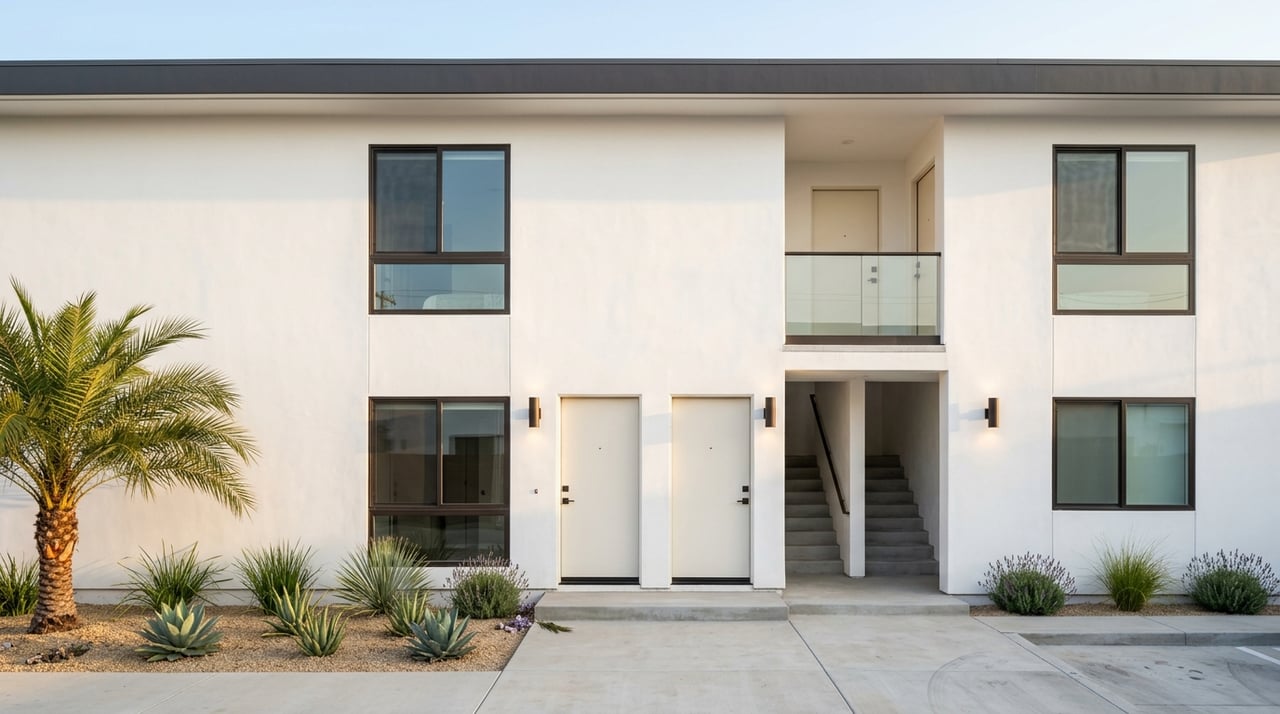
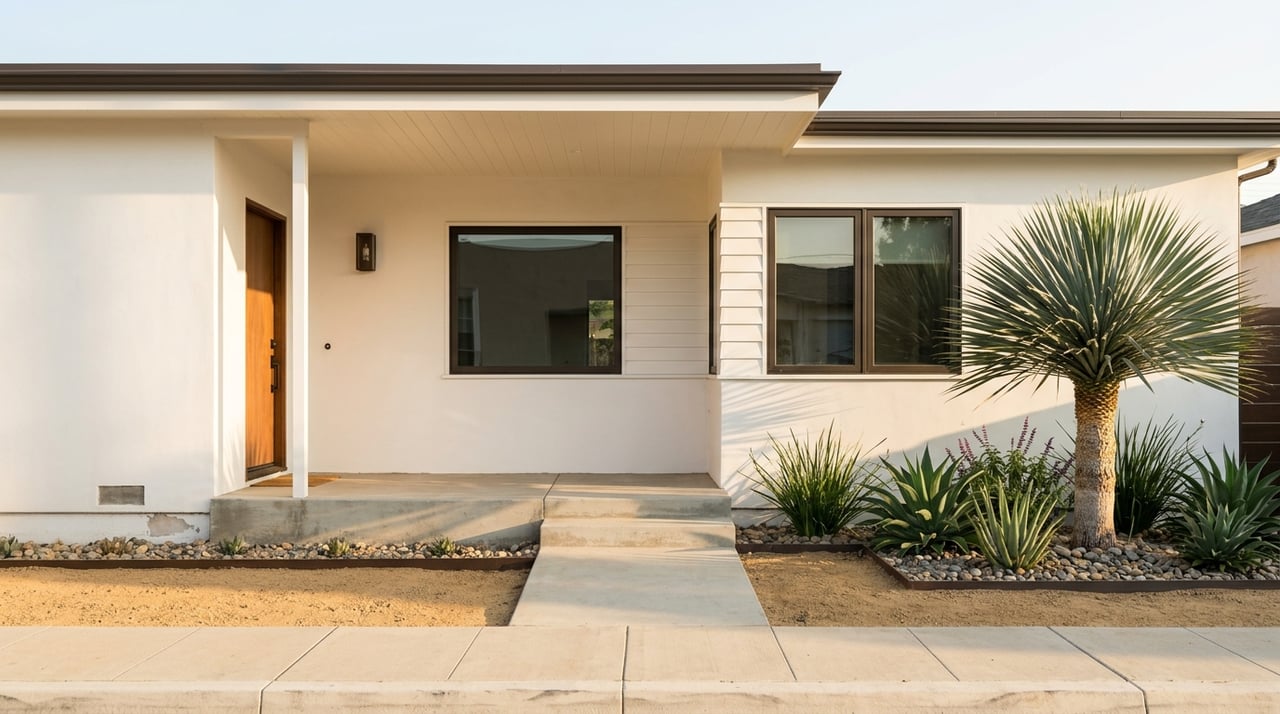
Do you love the porch charm, arched entries, and clean lines you see around Mt. Hope and nearby South Park? If you are drawn to character homes, you are in good company. Understanding what you are looking at helps you buy with confidence or sell with a stronger story. This guide breaks down the most common local styles, how to spot them fast, and how to update them with respect. Let’s dive in.
Mt. Hope and South Park context
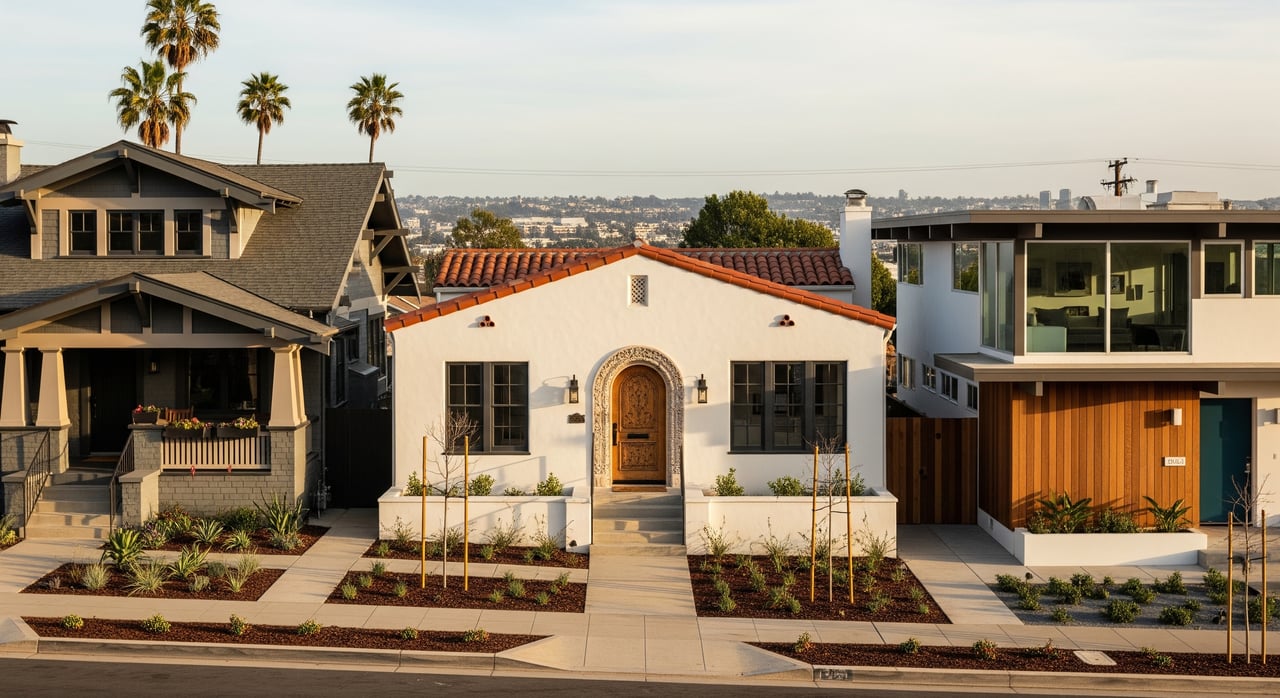
Mt. Hope sits in central San Diego next to South Park and North Park. Much of the nearby housing took shape in the early streetcar era, which produced many Craftsman bungalows and Spanish Revival cottages. Postwar years brought mid-century homes and ranches into the mix. The result is a walkable streetscape with front porches, modest lots, and mature trees.
San Diego’s Mediterranean climate also influences materials and landscaping. Stucco and clay tile perform well in our mild, dry summers. Drought-tolerant plantings look great and reduce maintenance. This context shapes what buyers expect to see from the curb.
Craftsman at a glance
Era: About 1905 to 1930.
Why buyers love it: Warm wood details, welcoming porches, and built-ins that feel handcrafted.
Craftsman exterior cues
- Low-pitched gabled or hipped roofs with wide eaves
- Exposed rafter tails and decorative knee braces
- Front porches with tapered or square columns on brick or stone piers
- Wood clapboard or shingle siding; multi-pane upper sash over single-pane lower windows
Craftsman interiors and layout
- One to one-and-a-half stories with compact footprints
- Living and dining rooms that connect but remain defined
- A central fireplace and extensive built-ins such as bookcases and window seats
- Modest bedrooms and kitchens compared with today’s standards
Craftsman common issues
- Original wood windows or siding may show rot or lead paint
- Smaller kitchens and baths often drive remodels that need sensitive planning
Craftsman curb appeal ideas
- Restore porch columns and piers; repaint with period-appropriate earthy tones
- Highlight woodwork by refinishing doors and exposed rafter tails
- Repair window sashes or use like-for-like wood or wood-clad replacements with divided-light uppers
- Choose simple, period-style lighting and hardware
- Layer informal, waterwise plantings and keep porch sightlines open with low fencing or hedges
Spanish Revival at a glance
Era: About 1915 to 1940.
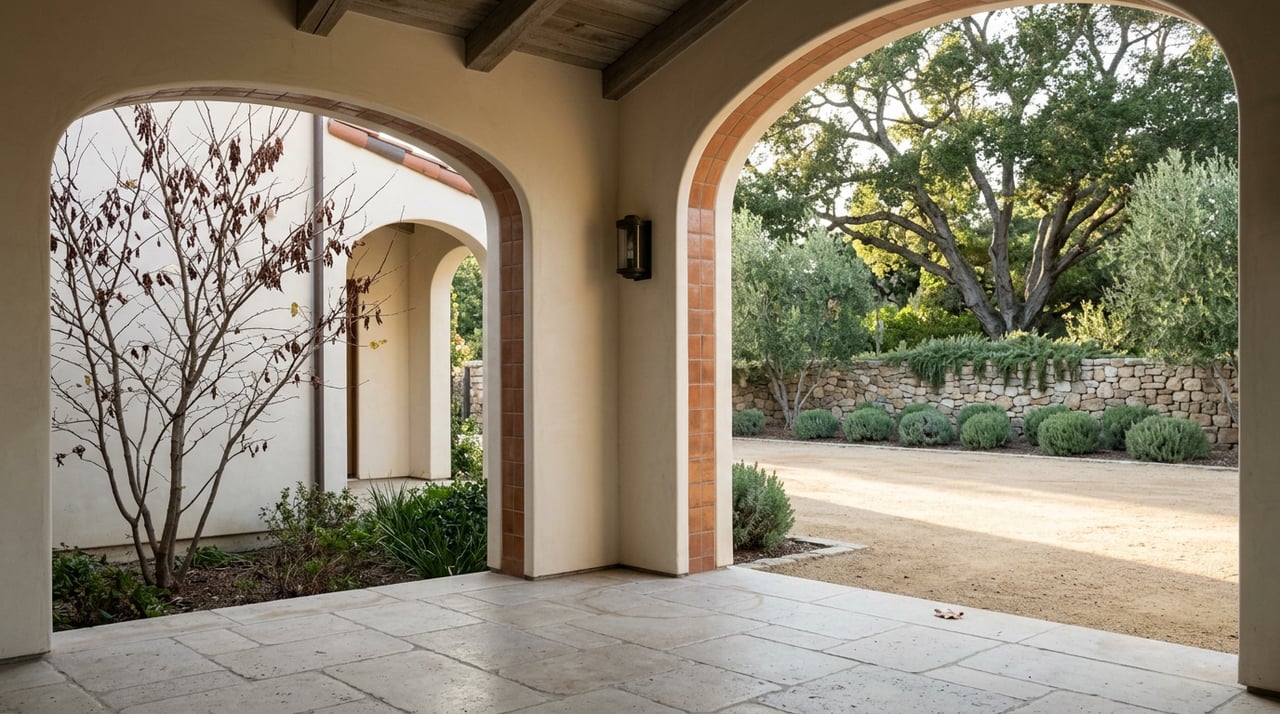
Why buyers love it: Plaster walls, red tile roofs, and arched openings that frame courtyards and patios.
Spanish Revival exterior cues
- Smooth cement stucco walls and low-pitched red clay tile roofs
- Asymmetrical fronts with arched doors and windows
- Recessed entries, wrought iron grilles and railings, and decorative tile accents
- Small eaves and occasionally tower-like elements
Spanish Revival interiors and layout
- One or two stories with strong indoor–outdoor flow
- Plaster walls, decorative tile floors or risers, and sometimes heavy wood beams
- Rooms often organized around an entry hall or small courtyard
Spanish Revival common issues
- Hairline stucco cracks that need compatible repair materials
- Clay tile roof maintenance and older electrical or plumbing systems
Spanish Revival curb appeal ideas
- Repair stucco with proper materials; match the roof tile profile and color when replacing
- Define a small entry courtyard with tiled steps, planters, and tasteful ironwork
- Refinish heavy wooden doors; add consistent iron accents
- Use warm, earthy paint tones and authentic-looking decorative tile at the entry
- Plant Mediterranean, drought-tolerant species like lavender, sages, and agave
Mid-century modest and ranch
Era: About 1945 to 1970.
Why buyers love it: Easy single-level living, large windows, and simple, functional spaces.
Mid-century exterior cues
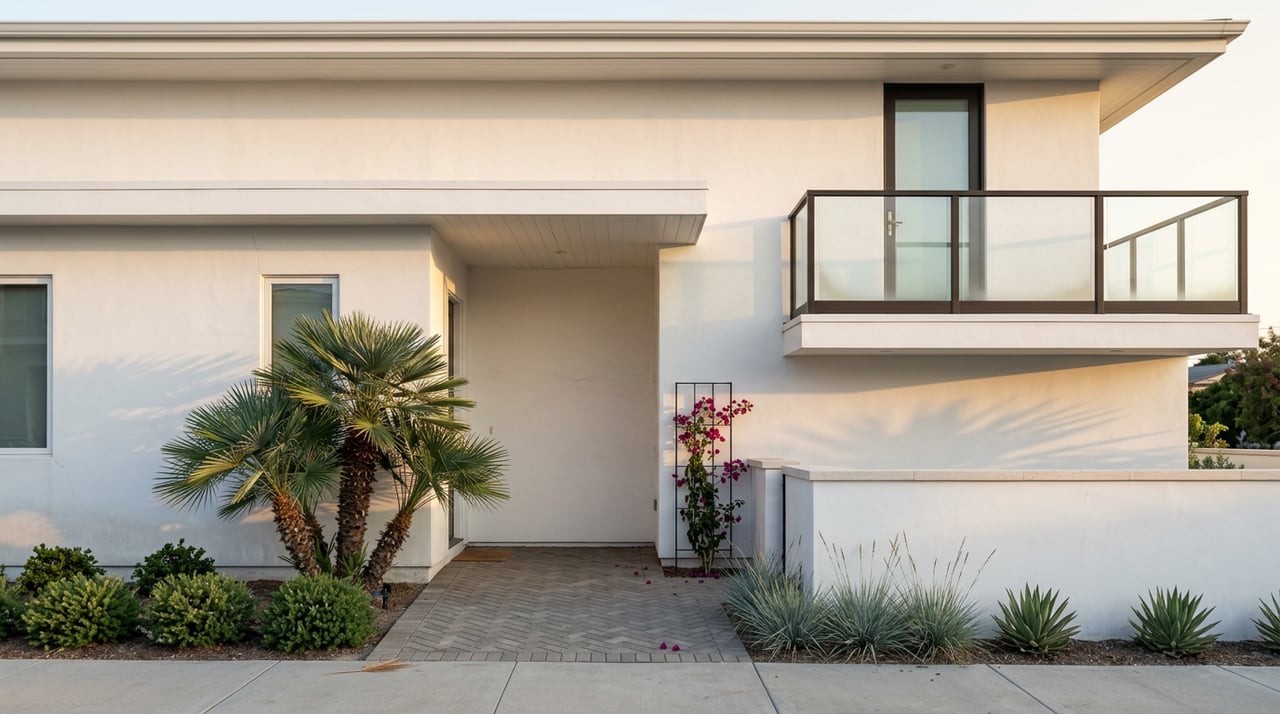
- Low-pitched or flat roofs with wide eaves and clean horizontal lines
- Large windows and sliders that open to the yard
- Minimal ornamentation; carports or attached garages that read as part of the façade
Mid-century interiors and layout
- More open living areas than prewar homes
- Single-level plans with efficient flow and built-in storage
- Strong indoor–outdoor connection through glass walls and sliders
Mid-century common issues
- Original single-pane windows and limited insulation
- Some homes have older or non-ducted systems that need upgrades
Mid-century curb appeal ideas
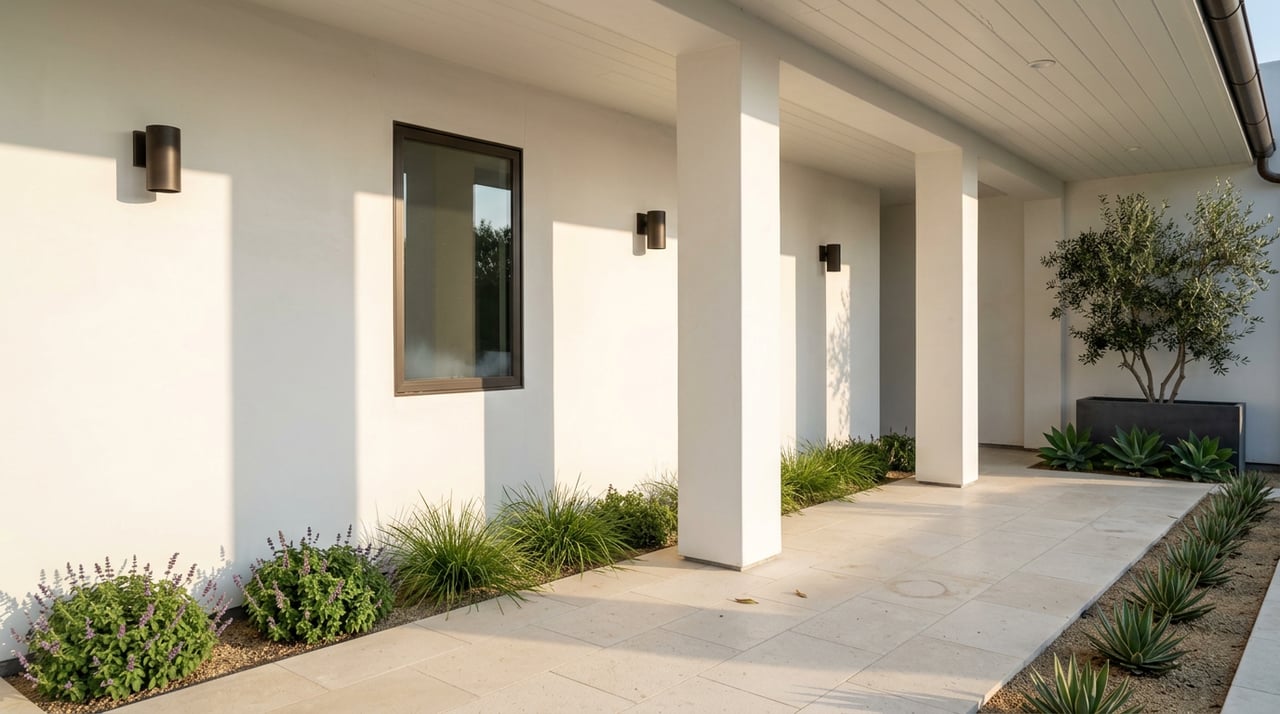
- Simplify plantings to underscore horizontal lines; use low, sculptural plants and gravel beds
- Restore or replicate original window proportions and ensure sliders operate smoothly
- Refresh carport or garage fronts; replace incompatible doors with simple, era-true designs
- Choose minimalist lighting and modern house numbers; keep paint palettes restrained with one accent color
Permits, preservation, and historic status
San Diego treats historic resources with care. The Historical Resources Board maintains the city’s register and historic districts. If a property is locally designated, exterior changes may require design review and specific permits. Work should be compatible with the Secretary of the Interior’s Standards.
Buying or renovating an older home often involves permits through City of San Diego Development Services. Structural changes, additions, major systems upgrades, roof and window replacements typically need permits. Start early and verify whether past work was permitted to avoid surprises during a sale.
You may also encounter the Mills Act, which can offer property tax incentives for qualified historic properties in exchange for a preservation agreement. Seismic retrofits, along with lead paint and asbestos considerations, are common in older homes. Plan for compliance and safe-work practices from the outset.
Smart updates buyers appreciate
- Upgrade HVAC, electrical, and plumbing for comfort and safety while preserving original features
- Add insulation with minimal exterior impact to improve efficiency
- Place solar panels on rear roof slopes when possible; front-facing arrays may trigger review in historic areas
- Favor repair over replacement for original windows; consider interior storm panels to boost performance without changing exterior sightlines
- Modernize kitchens and baths while keeping room footprints and built-ins intact where feasible
Quick showing checklist
- Roof condition and signs of patching, including clay tile on Spanish Revival homes
- Porch and foundation settlement, plus visible cracks
- Evidence of water intrusion in ceilings and attic
- Window operation and condition of sills
- Stucco condition and hairline cracks
- Age and type of wiring and electrical panels
- Flooring soft spots and moisture near kitchens and baths
- Yard grading and drainage; condition of sidewalks and retaining walls
Buying or selling strategy
If you are buying, clear style recognition helps you focus inspections and plan respectful upgrades. You will also negotiate better when you understand which character features carry value. If you are selling, targeted curb appeal and system updates can showcase authenticity and reduce buyer objections.
A design-aware approach is key in Mt. Hope and South Park’s historic fabric. Thoughtful improvements that preserve defining features will stand out in a walkable neighborhood where buyers notice every porch detail and roofline. A coordinated plan pairs classic craftsmanship with comfort and efficiency.
Plan your next step
You do not have to choose between character and modern living. With the right strategy, you can protect historic value and enjoy everyday comfort. Our team coordinates pre-sale refreshes, staging, and design-minded updates that highlight original features and attract today’s buyers. Ready to map your plan in central San Diego? Schedule a private consultation with the Olga Stevens Group.
FAQs
What are the easiest ways to identify a Craftsman home?
- Look for low-pitched gables, exposed rafter tails, a broad front porch with tapered columns, and multi-pane upper window sashes.
How do I spot a Spanish Revival house near Mt. Hope?
- Smooth stucco walls, red clay tile roofs, arched openings, recessed entries, and decorative ironwork are the top clues.
What mid-century features matter most to preserve?
- Keep the clean horizontal lines, large windows and sliders, and simple, open living areas that connect to the yard.
Do I need permits to replace windows in an older home?
- In San Diego, window replacements typically require permits, and historic properties may need compatible materials and profiles.
What is the Mills Act and could it help me?
- The Mills Act can reduce property taxes for qualified historic homes in exchange for a preservation agreement and ongoing maintenance.
What should I check first during an older-home showing?
- Start with roof condition, foundation and porch movement, water intrusion signs, window operation, stucco cracks, electrical panel type, and drainage.