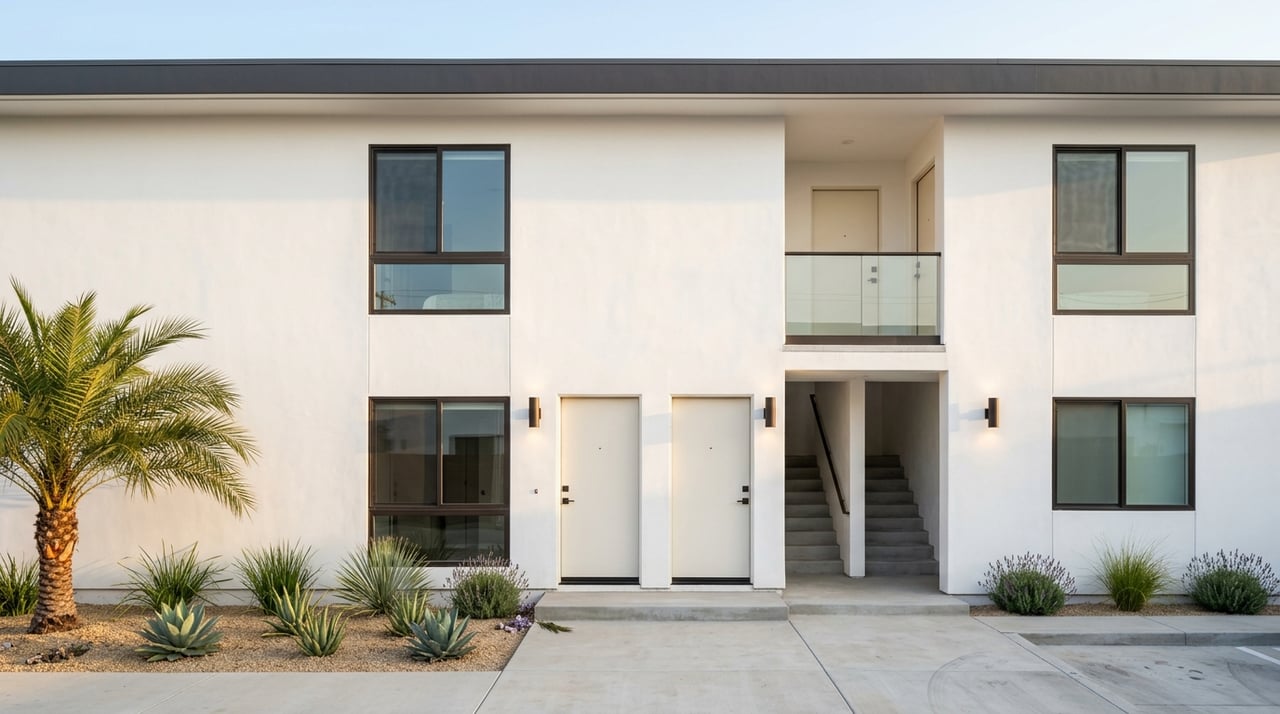
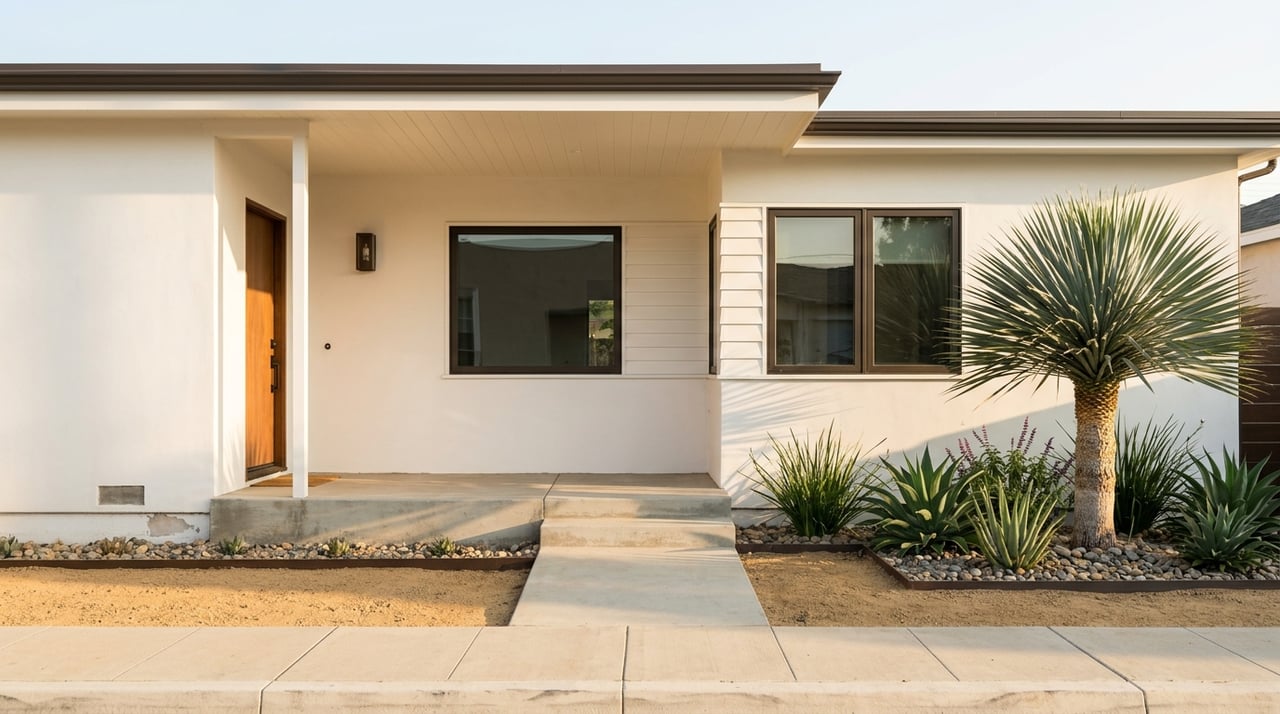
Are you torn between waking up to crashing waves or stepping out for morning coffee in the heart of the Village? In Del Mar, both choices offer an incredible lifestyle, but each comes with trade-offs in noise, parking, beach access, maintenance, and resale dynamics. You want clarity before you commit. In this guide, you’ll learn the practical differences between oceanfront and Village living and how to decide which one fits your routine, budget, and long-term plans. Let’s dive in.
Quick take: what truly differs
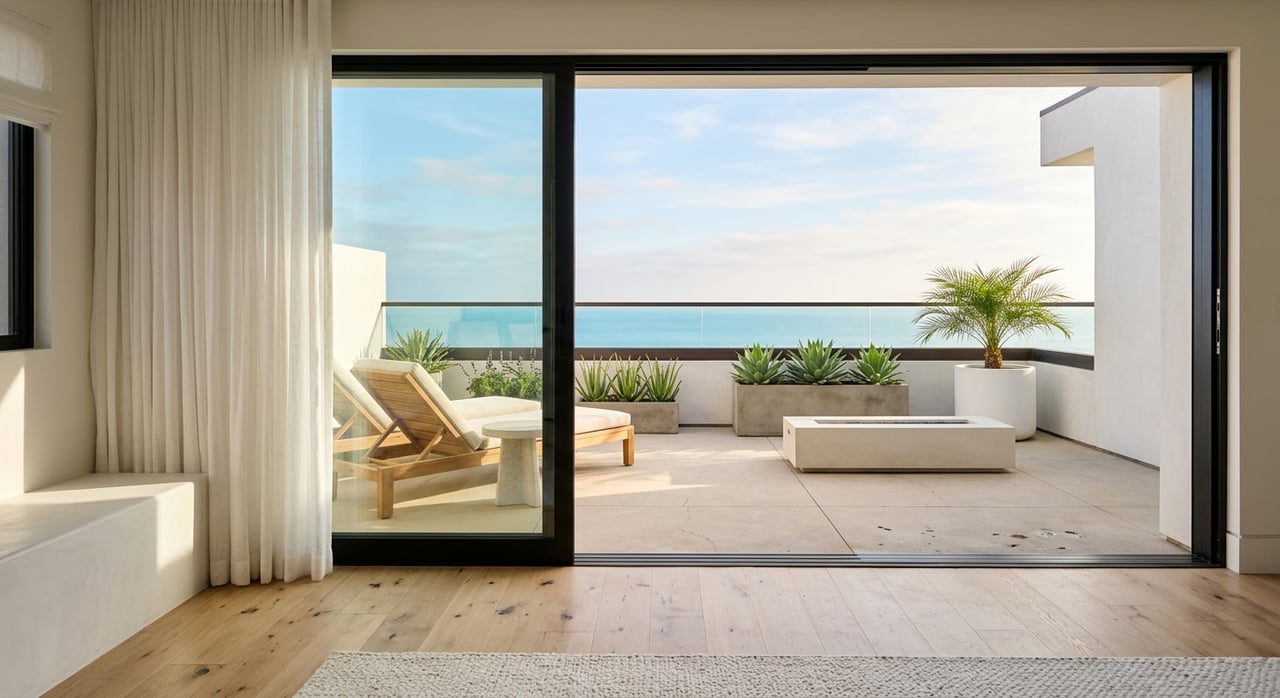
- Oceanfront gives you direct views, immediate beach access, and a serene, private feel most days, with higher maintenance and insurance and limited parking in many spots.
- Village puts you close to dining, shops, and everyday services with more property variety and often easier resale to year-round residents, but with active street life at peak hours.
- Transitional pockets near Powerhouse Park and North Beach can strike a balance if you want walkability and quick beach access.
Noise and activity patterns
Oceanfront: constant waves, seasonal crowds
Oceanfront living delivers the sound of surf and wind as a baseline. On hot days, weekends, and holidays, you should expect more foot traffic along the Strand and beach access points. Beach events and bonfires can add evening activity in certain areas. Most buyers consider wave noise a feature, not a bug, but it is constant.
Village: dining energy and evening buzz
In the Village core, activity centers around restaurants, bars, deliveries, and outdoor seating. Noise tends to peak during dining hours and summer evenings. Foot traffic and neighborhood movement rise on weekends and around special events.
Citywide events impact
The Del Mar Fairgrounds and the Del Mar Thoroughbred Club draw major seasonal crowds. On event days, traffic and parking pressure increase across the city. Effects vary by your proximity to I-5 and the Fairgrounds, so it helps to time your visits to coincide with a race day or fair evening.
What to do:
- Visit target properties on a weekday, a weekend, an evening, and if possible during a Fairgrounds or race event.
- Ask about any soundproofing upgrades like dual-paned windows and added insulation.
- Speak with neighbors and review city data on local noise or traffic patterns when available.
Parking and access
Oceanfront: limited space is common
Private parking can range from small garages to shared or limited condo stalls. Street parking by the beach is often metered, restricted, or high demand on peak days. If you entertain often or keep multiple vehicles, verify capacity and guest options in detail.
Village: mixed options with strong demand
The Village offers a mix of on-street parking, municipal lots, and commercial meters. Walkability may reduce how often you drive, but popular hours increase competition for spots. Some Village homes and multi-unit buildings provide deeded or assigned parking, which is a value driver.
What to do:
- Confirm the number of deeded or assigned spaces and the guest parking policy.
- Review local parking programs and any proposed city changes.
- Test-drive the area at your usual coming-and-going times.
Beach access and daily recreation
Oceanfront: direct access and potential responsibilities
Immediate access is the biggest draw. How you reach the sand matters, whether it is private stairs, a nearby public path, or a bluff-top setting. Oceanfront owners should evaluate bluff stability, sea-wall maintenance, and any public access easements tied to the lot.
Village: short walk, more amenities nearby
You can usually reach Del Mar City Beach, Powerhouse Park, or North Beach with a short walk or drive, while enjoying higher walkability to shops and cafes. Views may be limited compared to oceanfront, but the overall convenience can be greater for day-to-day living.
What to do:
- Verify legal access routes and any easements affecting the property.
- Review coastal records for bluff setbacks and the status of private stairs or sea-wall work if applicable.
Price, inventory, and resale
Oceanfront: scarcity and premium pricing
Oceanfront properties traditionally command a higher price per square foot due to views and scarcity. Inventory is limited and can be seasonal, with fewer resale events and longer holding patterns. Value is highly sensitive to view quality, elevation, bluff stability, and exposure.
Village: broader range and easier comparables
The Village typically offers more product types and price points, from cottages to new infill homes and condos. This range gives you better comparables when pricing and can broaden your exit options to year-round residents who prioritize convenience.
What to do:
- Request a competitive market analysis that separates oceanfront comps from Village comps.
- Use recent closed sales of similar property types and adjust carefully for view, elevation, parking, and condition.
Rental flexibility and rules
Short-term rental flexibility depends on city rules, business licenses, transient occupancy tax, and HOA restrictions. Del Mar has specific municipal regulations, and many HOAs set minimum rental terms.
What to do:
- Verify current city ordinances, licensing, and TOT requirements before you buy.
- Review HOA CC&Rs for rental limits and rules that affect guest parking and access.
- If rentals matter, analyze actual historic income, occupancy, and compliance records.
Maintenance, insurance, and environmental risk
Oceanfront: elevated exposure and specialty coverage
Salt air accelerates corrosion of metal, wood, and HVAC, and exterior finishes need more frequent care. Insurance premiums can be higher for oceanfront and bluff-top homes, and additional coverage like flood or wind may be needed. Coastal regulations and bluff setbacks can affect renovation and rebuilding options.
Village: coastal, but lower intensity
Village homes still face coastal wear, though typically less than direct oceanfront exposure. Standard inspections remain important, and insurance may be more straightforward relative to bluff-top properties.
What to do:
- Order a FEMA flood zone determination and, if applicable, an elevation certificate.
- Review maintenance logs and any geo-technical or structural reports, especially for bluff locations.
- Request current insurance quotes early in your process.
Who each area fits
- Oceanfront often fits you if you want immediate beach access, sweeping views, and a private, resort-like daily rhythm, and you accept higher maintenance and parking trade-offs.
- Village often fits you if you prefer walkability to restaurants and shops, more parking flexibility, and a wider set of property options for purchase and resale.
- Transitional pockets can work if you want a middle ground: quick beach access and Village convenience without full oceanfront exposure.
How to decide: a simple framework
- Clarify your top priorities. Choose between view-and-access or walkability-and-convenience.
- Set non-negotiables. Define parking needs, noise tolerance, and rental goals.
- Gather objective data. Use recent comps, flood and hazard information, and current city and HOA rules.
- Do fieldwork at different times. Visit during weekdays, weekends, evenings, and a Fairgrounds event if possible.
- Engage specialists. Get insurance quotes, review geo-technical reports if oceanfront, and read HOA documents closely.
- Compare total cost of ownership. Factor maintenance, insurance, and any rental limits into your budget.
- Align with your holding plan. Decide based on how you will use the property now and in the long run.
What to verify on a specific Del Mar property
- Noise and activity: Talk to neighbors, evaluate event-season patterns, and ask about soundproofing.
- Parking: Confirm deeded spaces, guest rules, and street restrictions.
- Access: Map legal beach access and any easements or responsibilities for stairs or seawalls.
- Regulations: Review municipal codes for rentals and coastal permits, plus HOA CC&Rs.
- Insurance and hazards: Check flood zones, sea-level and bluff reports, and obtain quotes for required coverage.
- Market value: Ask for a CMA using neighborhood-appropriate comps and adjust for unique premiums.
- Rentals: If relevant, review documented revenue, occupancy, and compliance history.
- Inspections: Order standard inspections for all homes, plus geo-technical or coastal engineering for bluff or seawall properties.
Ready to tour with a plan?
If you want the ocean out your front window or a quick coffee-and-beach routine in the Village, the right choice is the one that aligns with your daily life, budget, and exit strategy. A seasoned coastal advisor can help you weigh maintenance, insurance, and regulatory details against location and lifestyle so you buy with confidence. For discreet guidance, neighborhood-specific comps, and a concierge process from due diligence through closing, connect with the Olga Stevens Group.
FAQs
What are the main lifestyle differences between Del Mar oceanfront and Village homes?
- Oceanfront emphasizes direct views and immediate beach access with higher maintenance and seasonal beach activity. Village emphasizes walkability to dining and shops with more varied property types and pricing.
How does Del Mar’s event season affect daily life in each area?
- Fairgrounds events and summer racing increase traffic and parking pressure citywide, with variability based on proximity to I-5 and the venues; plan test visits during event days.
What should I expect for parking at oceanfront versus Village properties in Del Mar?
- Oceanfront parking is often limited to small garages or assigned stalls, while the Village mixes private spots with street and municipal options that fill quickly at peak hours.
Are short-term rentals allowed in Del Mar oceanfront and Village homes?
- Both areas are subject to Del Mar’s municipal rules, licensing, and TOT, and many HOAs add restrictions or minimum lease terms; verify current regulations and HOA CC&Rs before buying.
Do oceanfront homes in Del Mar require different insurance than Village homes?
- Oceanfront and bluff-top properties often carry higher premiums and may require flood or wind coverage, while Village homes generally see more typical coastal insurance needs.
How do I compare price per square foot between oceanfront and Village properties?
- Use recent closed comps for similar property types and separate oceanfront from Village data, then adjust for view, elevation, parking, and condition in a detailed CMA.