Rancho Santa Fe Covenant: Rules, ARB & Daily Life
December 4, 2025
December 4, 2025
If you have heard neighbors talk about “the Covenant” in Rancho Santa Fe and wondered what it really means for your purchase or sale, you are not alone. The term blends history, design, governance, and daily lifestyle details that can feel complex at first. The good news is that once you understand the basics, you can navigate the process with confidence and protect your property value. In this guide, you will learn where the Covenant came from, how approvals work, what the equestrian and trail culture means for your lot, and the steps to take before you list or buy. Let’s dive in.
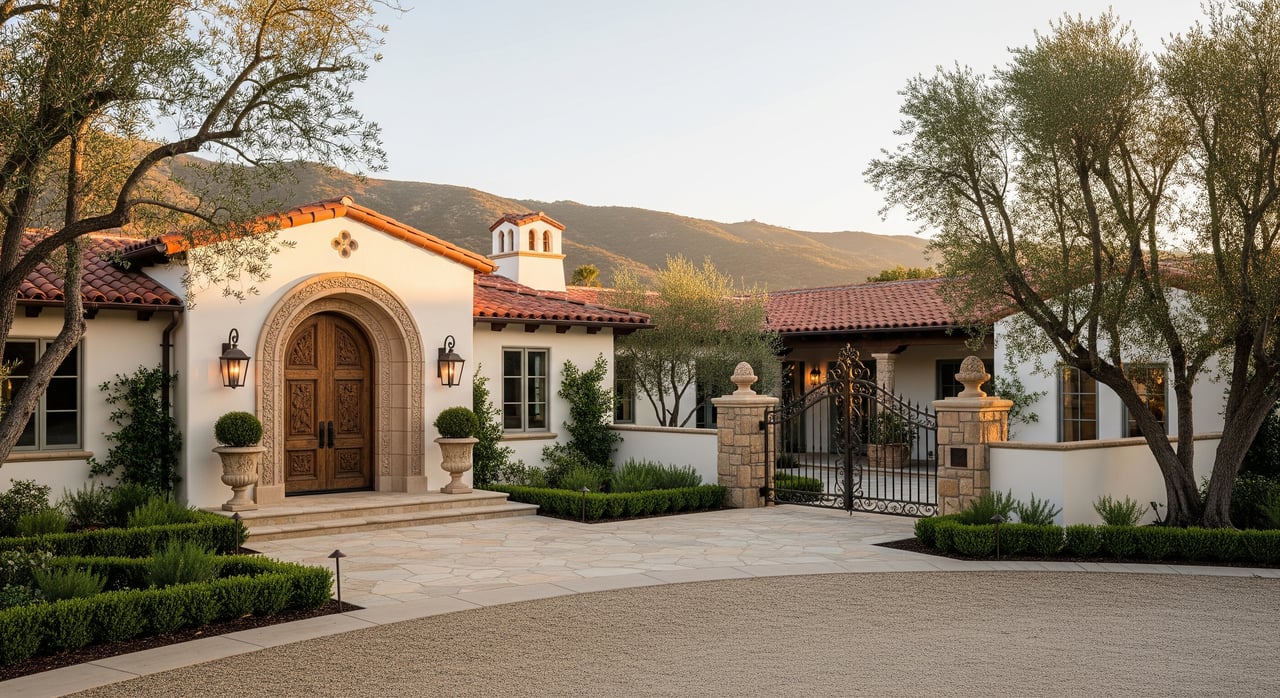
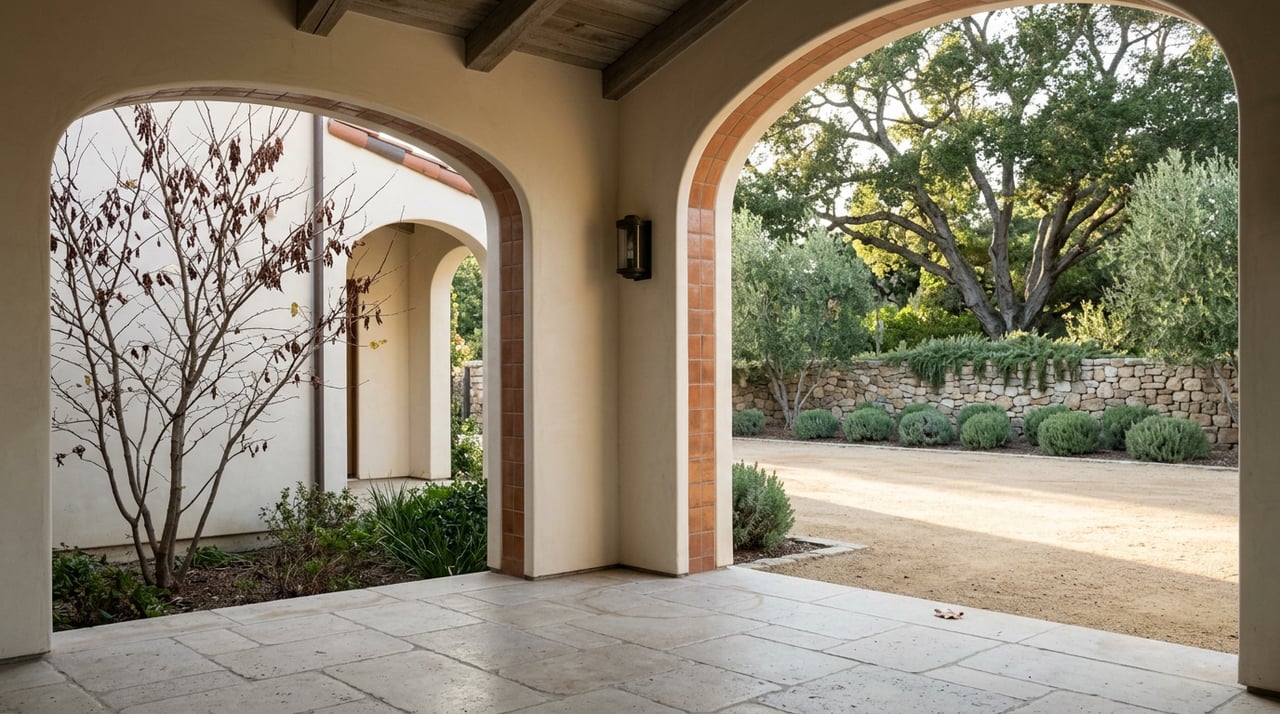
The Rancho Santa Fe Covenant dates back to the early 20th century, when the community was planned as a low-density, rural residential enclave. Architect Lilian Jeannette Rice helped shape the village core in the 1920s, using Spanish-Revival design and site-sensitive planning that still define the area’s look and feel today. From the start, private land-use rules were created to preserve privacy, open space, and an estate-scale character.
The Covenant’s purpose remains consistent. It aims to protect the rural setting over suburban density, maintain architectural harmony, and support equestrian uses with off-street trail access. It also prioritizes long-range open-space corridors and views, which influence how homes are sited and how landscaping is handled across the community.
A nonprofit property owners’ association manages the Covenant and enforces the community’s CC&Rs. The association maintains roads and trails, coordinates landscaping in shared easements, and runs committees for architectural review and community standards. It also sets and collects assessments that fund maintenance and operations.
The association enforces the CC&Rs through standard tools such as notices of violation, fines, and required corrective actions. In serious cases, the association can pursue legal remedies consistent with its governing documents and California law. Owners typically have rights to review records, appeal certain decisions, and request reasonable accommodations where applicable.
Association approvals do not replace county or state permits. You still must meet County of San Diego requirements for building, grading, septic or sewer, and environmental rules. California statutes that govern associations and common-interest communities also apply to association procedures such as elections, records, and dispute resolution.
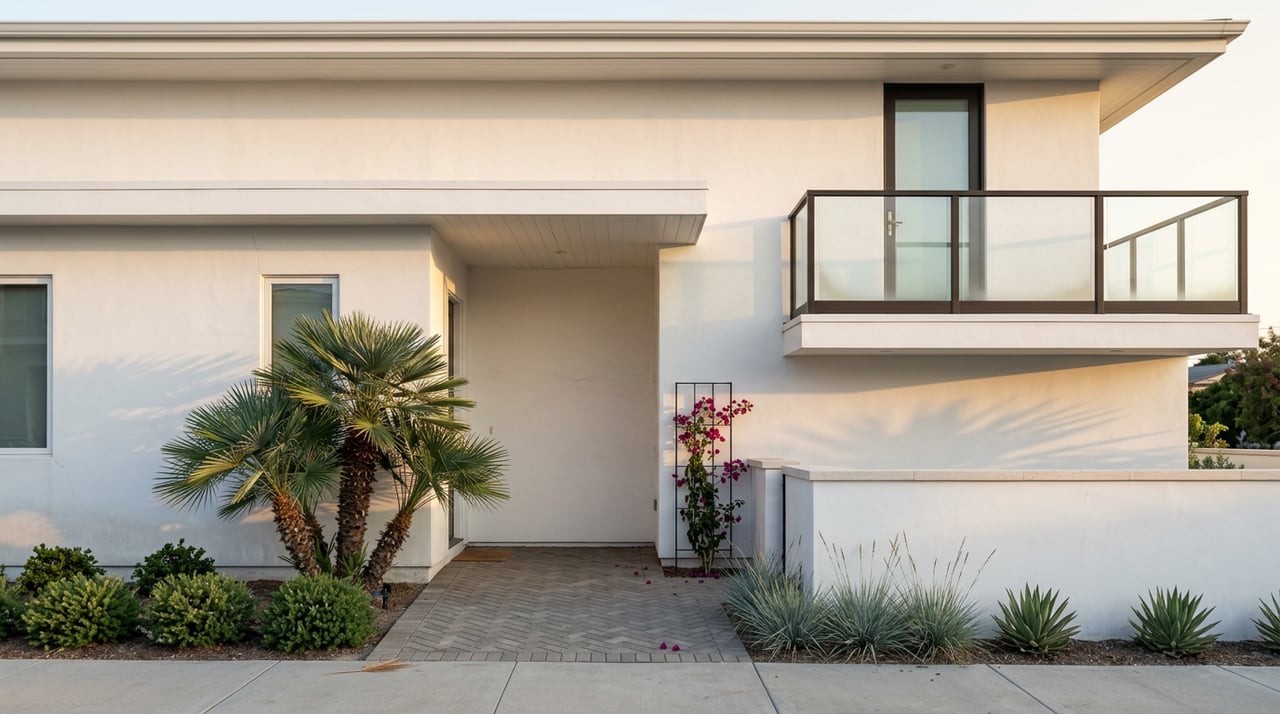
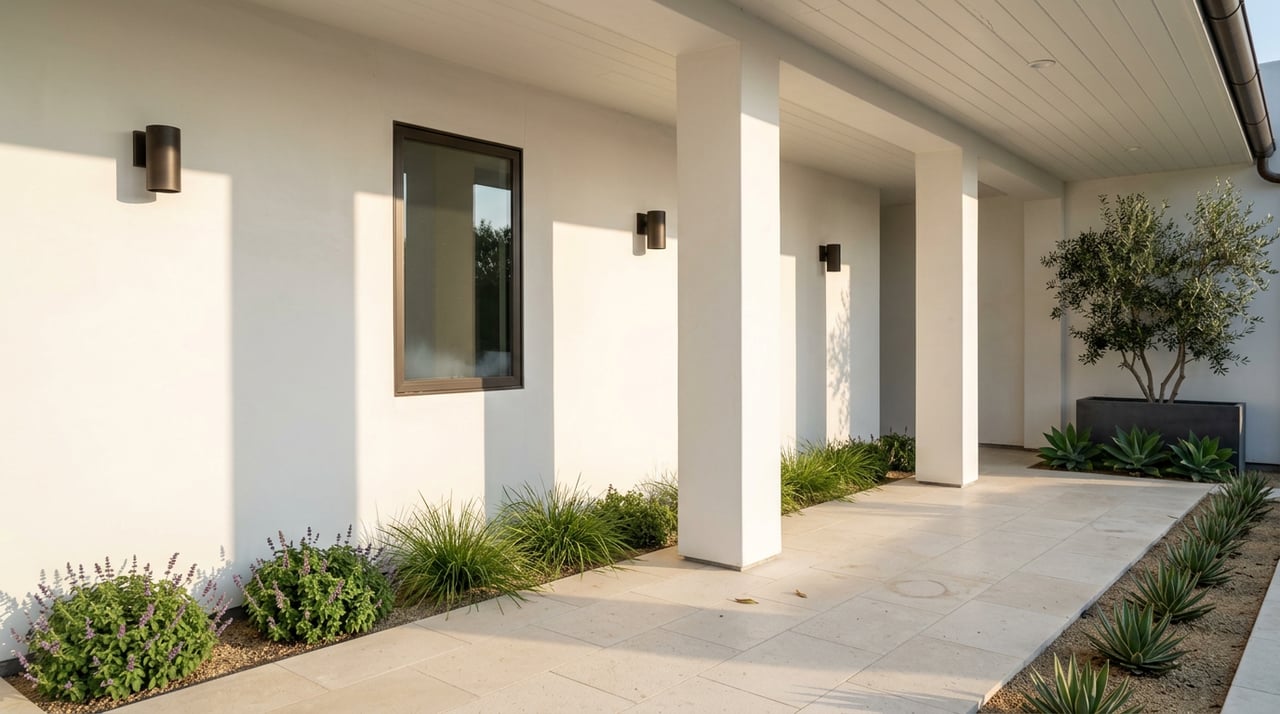
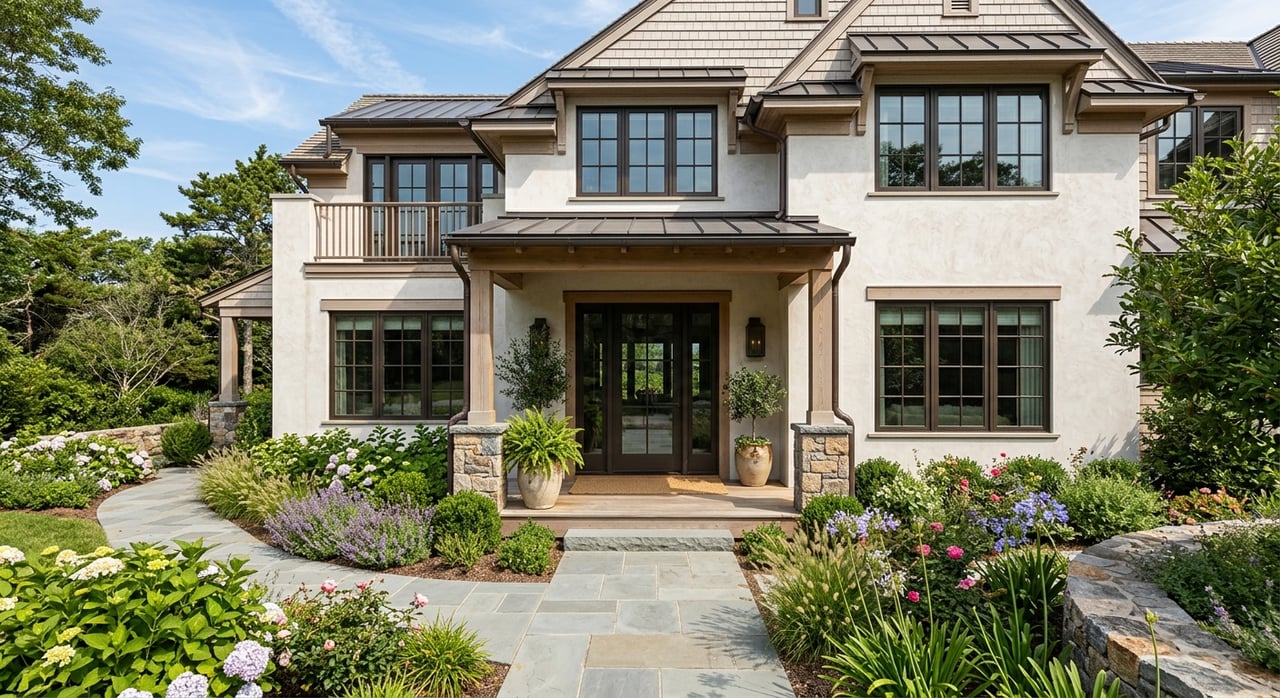
Architectural review is at the core of the Covenant’s culture. The Architectural Review Board or committee evaluates how a project fits the land, neighbors, and community character. Reviewers prioritize thoughtful siting, low-profile massing, restrained rooflines, natural materials, and landscape designs that integrate with the site while protecting views and privacy.
Expect review for new construction, major remodels, guesthouses, ADUs, barns and arenas, pools, fencing and gates, hardscape and grading, major landscape changes, and sometimes exterior color changes. Solar is widely permitted by state policy, with review to address placement and visual impact. If you plan an exterior change, assume you need to check in with the association.
Most projects benefit from an early consultation. After that, you submit a formal package with plans, elevations, materials and color samples, landscape and grading details, and any requested studies. The committee may ask for revisions, issue conditions of approval, and conduct inspections during construction to confirm compliance. Complex projects often require multiple review cycles, so build extra lead time into your schedule.
Plan for application fees and deposits. Some projects require neighbor notice or recorded conditions. If you are buying or selling, collect prior approvals and as-built plans. Unapproved changes are a common disclosure and title issue that you want to understand early.
An interconnected system of bridle paths and trails is a defining feature of the Covenant. Many lots offer direct or convenient access to off-street riding and walking. The association manages much of this network, often with a trails committee focused on maintenance, signage, and etiquette.
Horses are part of daily life for many residents. You will see riders on trails, private barns on estates, and routine activity like trailers and hay deliveries. Many buyers specifically seek properties with paddocks, tack rooms, or arena potential, subject to size and siting rules.
The association also stewards natural corridors and trail edges. Expect rules for erosion control, invasive species management, and protected areas near riparian zones and hillsides. Projects that modify drainage, grading, or vegetation near trails and open space usually require extra review and coordination with the association and county agencies.
The Covenant’s consistent aesthetic and open-space edges typically support strong value. Presentation still matters. Work with a team that understands how to showcase architectural character while complying with rules for temporary signage, lighting, and exterior displays during the listing period.
If you intend to remodel, start talking with the association during your inspection period. Clarify what can be approved, likely timelines, and documentation you will need. For items like ADUs or solar, remember that state policy favors them, but the association can regulate placement and aesthetics. Plan for realistic schedules and budgets that include the review process.
Outcomes can hinge on site-specific details. Conflicts between state law and CC&Rs, historic or undocumented modifications, and complex trail or easement alignments are all areas where professional guidance helps. Enforcement intensity can also evolve over time based on community priorities. If you are planning a large addition, a new barn, or a full estate build, consider engaging counsel or consultants who know Covenant communities and California HOA law.
Understanding the Covenant lets you make smart decisions about timing, design, and value. Whether you are preparing a listing or evaluating a purchase, getting the right documents and setting a realistic approval path will save time and reduce surprises. If you would like strategic guidance on presentation, design advisory, or a private purchase plan in greater San Diego luxury markets, reach out to the Olga Stevens Group for a confidential consultation.
Stay up to date on the latest real estate trends.


Contact Olga Stevens Group today to learn more about their unique approach to real estate, and how they can help you get the results you deserve.