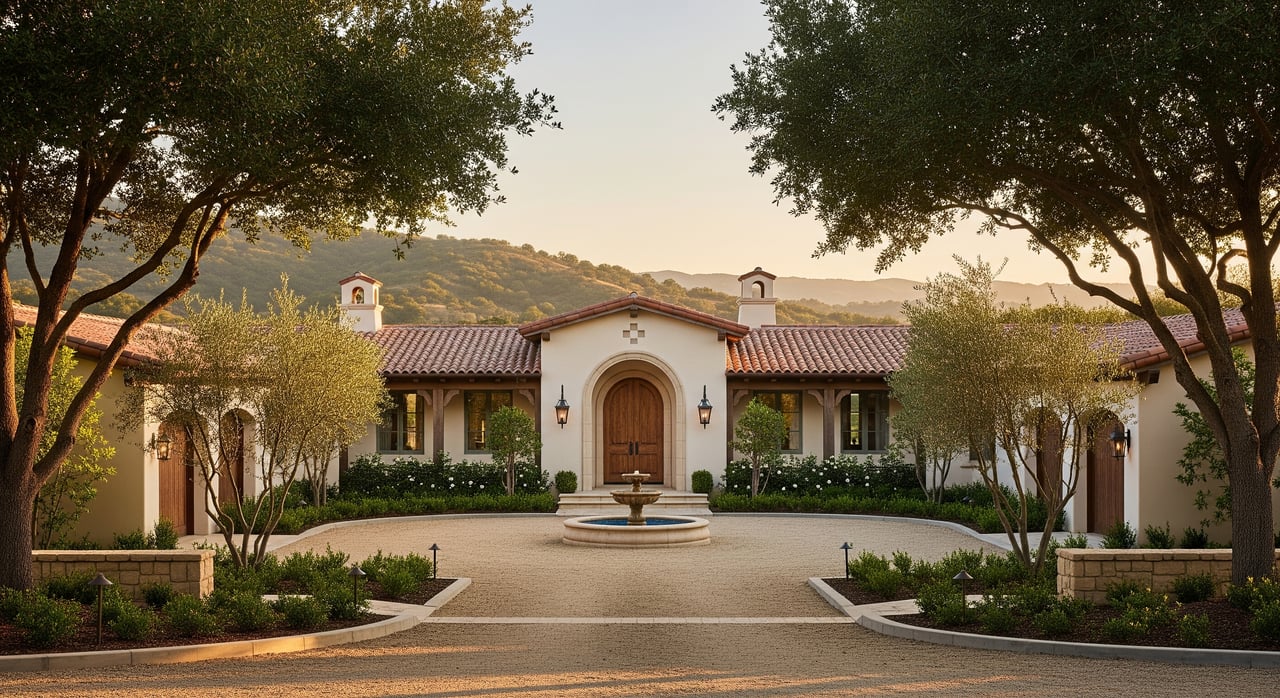
How to Price a Rancho Santa Fe Estate with Confidence
January 1, 2026
January 1, 2026
If you own a Rancho Santa Fe estate, you know no two properties are alike. Acreage, privacy, equestrian features, and design pedigree can swing value more than a simple price-per-square-foot ever will. You want a pricing plan that reflects what you’ve built and protects your time and privacy. This guide shows you how high-end buyers in RSF think, how professionals weigh land and amenities, and how presentation elevates your final number. Let’s dive in.
Rancho Santa Fe is a low-density, estate-driven market with large parcels and custom architecture. Because each property is unique and sales volume is thin, the right price starts with understanding value drivers the average comp set can miss. Inside the Covenant, architectural controls, lot-line rules, and historical restrictions can influence what you can change or build, which affects value. Outside the Covenant, different use profiles and siting patterns can shift the buyer pool and the pricing band.
In RSF, land value is often the biggest lever. Buyers pay for usable acreage, not just lot size. Topography, grading, easements, and the ability to enjoy flat lawns, gardens, or equestrian space matter. Clear documentation of parcel maps, easements, and any potential for future subdivision can strengthen your pricing case.
Privacy is a premium feature. Long gated drives, mature tree buffers, and thoughtful orientation away from roads or neighbors can command meaningful premiums. Sightlines to gardens, views, and arrival experience set first impressions that buyers remember during negotiations.
Renowned architects, award-winning builders, and cohesive custom design add cachet. High-net-worth buyers often pay more for a property with recognized pedigree or historically significant elements. If your estate has provenance, showcase it with portfolios, awards, and documentation.
Turnkey mechanicals and documented upgrades reduce buyer risk. Recent work on roofing, HVAC, septic or sewer, pool systems, and smart-home infrastructure can support stronger asking prices. Keep permits, contractor invoices, and warranties ready to validate recency and quality.
Guest houses or ADUs, staff quarters, equestrian facilities, sports courts, vineyards, and resort-style pools all influence pricing. Quality and integration matter more than box-checking. Align the feature list with likely buyer use cases, and highlight scale, finishes, and maintenance histories.
In estate properties, flow for entertaining and privacy for daily life are key. Separate guest and owner wings, service corridors, and flexible program spaces elevate appeal. Floorplans and measured square footage help distant buyers understand utility before a tour.
Appraisers and seasoned brokers draw from three approaches. In RSF, the sales comparison and cost approaches typically carry the most weight, with the income approach used only in niche scenarios.
The sales comparison approach is primary. You compare to recent, similar estate sales and adjust for land, privacy, views, construction quality, improvements, and amenities. Because RSF comps can be sparse, the art lies in selecting the best available set and applying disciplined adjustments supported by photos, permits, and invoices.
For unique or newer builds, the cost approach can set a pricing floor. You start with land value and add replacement cost for improvements, minus depreciation. When your improvements are recent and well documented, this method helps reconcile wide gaps in comp data.
If your property generates income, such as equestrian operations or luxury rental use, the income approach may provide additional context. For most owner-occupied estates, it is not the primary driver of value.
Thin markets need more rigorous analysis. Expect to build a comp workbook and support each adjustment with evidence.
When local sales are scarce, you can widen the search radius to include truly similar estates in adjacent luxury pockets. Apply geographic and site adjustments carefully so you do not compare your acreage estate to smaller, tract-adjacent properties.
Luxury segments can shift faster than broad county metrics. If you use older comps, apply thoughtful time adjustments that reflect changes in buyer demand, financing, and inventory. Consider behavioral indicators like days on market and sale-to-list ratios for similar properties.
High-end transactions often occur off market or within private networks. Appraisers, title partners, and luxury brokers can help triangulate those sale prices. Your job as a seller is to compile a clear dossier of permits, warranties, and capital improvement invoices so your pricing story is defensible.
In a low-volume luxury market, presentation is a pricing tool. The way your estate photographs and shows affects who tours, how quickly you receive offers, and how much leverage you have.
Target quick, high-impact updates. Focus on safety and function first, then visible refreshes that boost perceived quality.
Professional staging, measured floorplans, and cinematic photography and video help buyers grasp scale and flow. Twilight photography and polished video tours are especially effective with out-of-area buyers who shortlist homes before visiting.
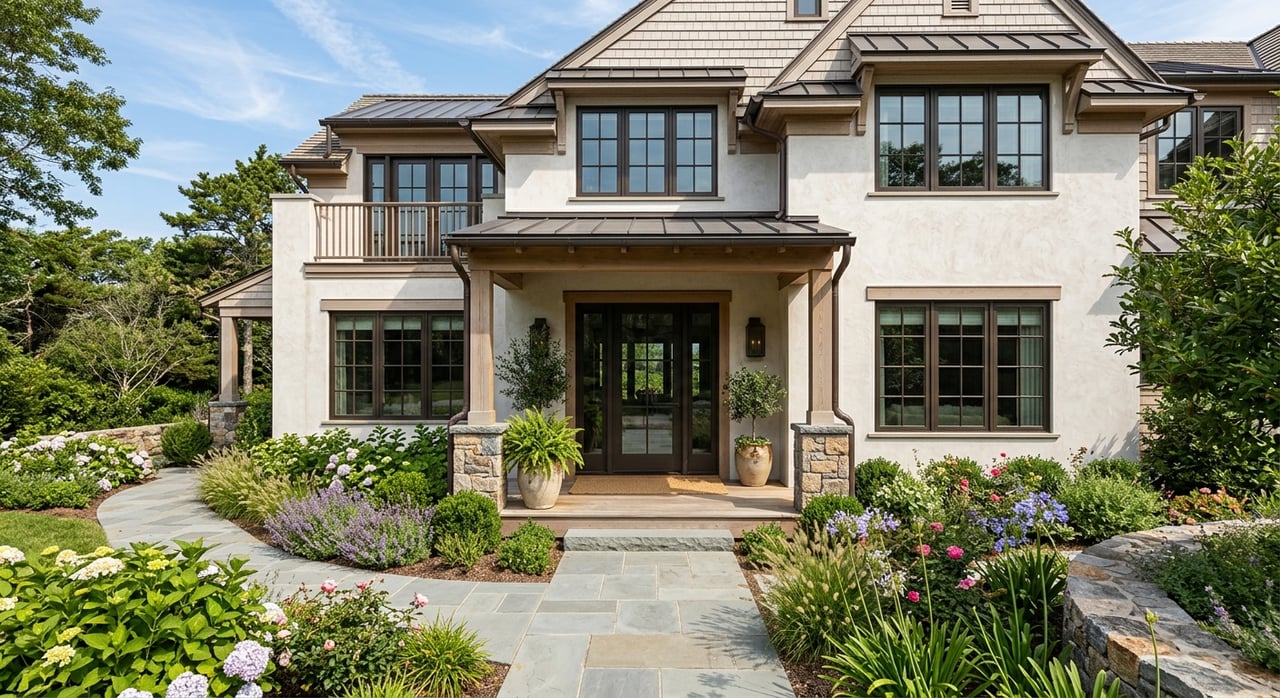
Manicured driveways, healthy trees, and clean hardscape create an estate feel before the front door opens. Provide a digital packet with floorplans, survey or parcel details, capital improvement records, and a one-page narrative spotlighting your site, design pedigree, and recent investments.
Your pricing posture should match your timing, privacy needs, and property uniqueness. Define a bottom-line net number before you list, and align your launch and negotiation plan to it.
If comps and buyer activity support it, you can list near your expected sale price to encourage quick acceptance. This works best when your estate is turnkey and the buyer pool is active. The risk is leaving negotiation room on the table if specialist buyers would have stretched for a premium.
An aspirational list can test appetite for a premium. In RSF’s thin market, weigh the risk of longer days on market and buyer skepticism. Use strong proof points, including pedigree, privacy, and recent system upgrades, to justify your stance.
For especially unique estates, consider soft pre-marketing with targeted broker previews or a discreet pocket phase before broad MLS exposure. This can surface right-fit buyers and feedback that refines your public launch.
Decide your lowest acceptable net in writing. Price to capture interest while allowing for negotiation, then use your documentation to hold the line through diligence.
Use this framework to build a clear, defensible pricing path.
A smooth tour experience raises perceived value and shortens decision time.
If you aspire to the top of your band, your evidence needs to be bulletproof. Pair best-fit comps with a cost reconciliation when improvements are recent. Quantify privacy and siting advantages with photography and site plans, not just description. Document mechanical recency to reduce the buyer’s mental discount for future repairs. Finally, lean on design pedigree through named architect and builder portfolios when applicable.
Pricing an RSF estate is equal parts data and presentation. You want a boutique team that blends luxury market experience with hands-on design and staging guidance. The Olga Stevens Group pairs high-touch concierge service with Compass tools, including pre-sale project coordination, architect-led design input, and access to Concierge solutions for strategic improvements. If you’re considering a sale in Rancho Santa Fe or across the greater San Diego luxury corridor, let’s tailor a pricing and presentation plan to your estate. Schedule a private consultation with the Olga Stevens Group.
Stay up to date on the latest real estate trends.
Contact Olga Stevens Group today to learn more about their unique approach to real estate, and how they can help you get the results you deserve.