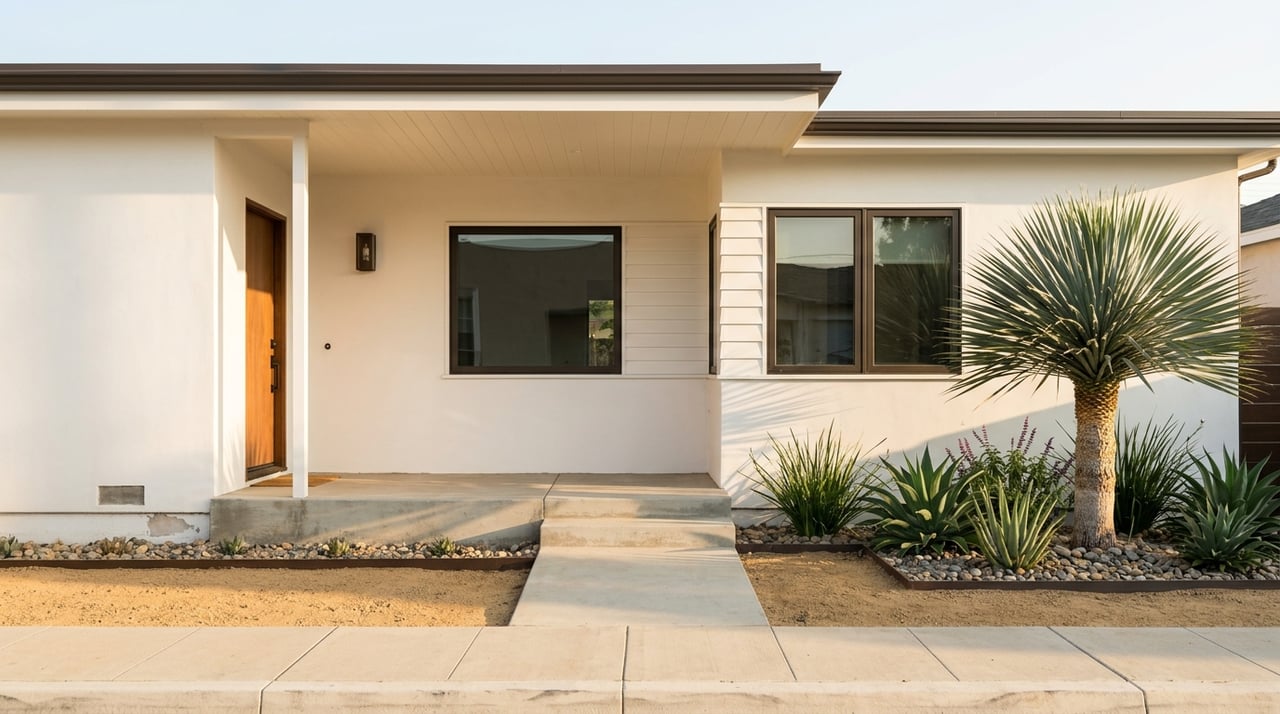
What Mt Hope San Diego Lifestyle Feels Like Daily
June 25, 2026
June 25, 2026
If you want a San Diego neighborhood that feels grounded, practical, and close to the city’s energy, Mt. Hope deserves a closer look. Daily life here is less about flashy hotspots and more about having a residential home base with parks, neighborhood staples, and straightforward access to downtown. Whether you are exploring the area for a move or simply trying to picture the rhythm of the neighborhood, this guide will help you understand what everyday life in Mt. Hope really feels like. Let’s dive in.
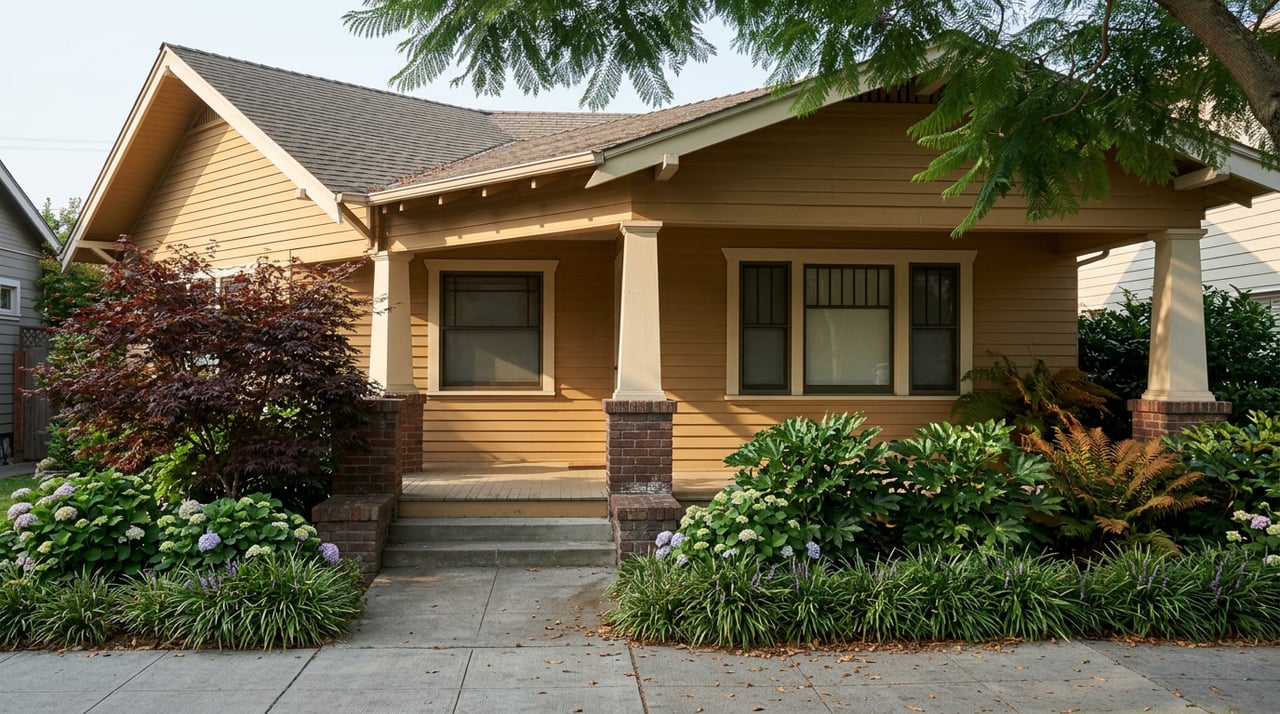
Mt. Hope is best described as a mixed-use inner-city neighborhood with a stable residential core. According to the City of San Diego, the area includes residential, industrial, commercial, and cemetery uses, with predominantly single-family homes and some higher-density housing north of Broadway.
That mix gives the neighborhood a practical feel. Instead of a major shopping or entertainment district within its borders, Mt. Hope is shaped by residential streets, a few important corridors, and local anchors that support everyday routines.
One of the most recognizable landmarks is Mount Hope Cemetery at 3751 Market Street. The city identifies it as a historic, city-owned landmark, and it plays a meaningful role in the area’s identity and physical layout.
One of the biggest draws of Mt. Hope is the balance it offers. You can live in a neighborhood that feels residential first while still staying connected to downtown San Diego and other nearby destinations.
That matters if you want convenience without living in the middle of a busy entertainment zone. In Mt. Hope, your day-to-day experience is more likely to center on home, nearby park space, local errands, and short trips outward when you want more dining, culture, or nightlife.
For many buyers and renters, that balance is part of the appeal. It offers an urban location with a more grounded, neighborhood-scale routine.
Dennis V. Allen Park is the neighborhood’s main park anchor. The City of San Diego lists a playground, basketball courts, restroom, picnic areas, and walking paths, giving residents an everyday place to get outside, meet up, or spend time with family and friends.
The park is also part of a broader upgrade process. City project information shows potential improvements that could include a new recreation center, trail loop, dog park, picnic gazebo, off-street parking, a relocated playground, lighting improvements, a ball field, fitness equipment, a community garden or futsal area, and pickleball courts.
For residents, that points to a neighborhood where park space is not just decorative. It is a real part of daily life and a feature that may continue to grow in usefulness over time.
Mt. Hope residents also have access to larger outdoor destinations nearby. Chollas Lake Park offers a different kind of outing, with a 16-acre lake, an 0.8-mile loop path for walking, jogging, and bicycling, picnic tables with barbecue grills, children’s play equipment, a small basketball court, hiking trails, and a multi-purpose ball field.
The city also notes that Chollas Lake is San Diego County’s only youth-only fishing lake. That makes it a useful option for a weekend walk, a casual picnic, or a simple outdoor change of pace close to home.
Balboa Park expands that outdoor and cultural radius even more. The City of San Diego describes it as more than 1,000 acres with 15 museums, gardens, arts and culture organizations, and the San Diego Zoo, all just minutes from downtown.
Mt. Hope’s food scene is modest, but it is not absent. The neighborhood is better understood as a place with a few dependable local options rather than a dining district with long restaurant rows.
Bowlegged BBQ at 4255 Market Street is one clear neighborhood food stop. It identifies itself as East Texas-style BBQ and lists hours from Wednesday through Sunday, 11 a.m. to 7 p.m.
Nearby, Los Reyes Bar & Grill serves as another recognizable option in the broader area, with daily hours from 8 a.m. to 10 p.m. Together, these spots help illustrate the local pattern: comfort food, casual stops, and short drives or transit trips to nearby neighborhoods when you want more variety.
This is an important part of understanding Mt. Hope honestly. If you are looking for a neighborhood packed with cafés, boutiques, and nightlife on every block, Mt. Hope is probably not trying to be that.
Instead, its commercial side supports day-to-day convenience while the residential side remains the stronger identity. For many people, that creates a more practical lifestyle, especially when downtown and surrounding neighborhoods are so accessible.
Access to downtown is one of Mt. Hope’s strongest lifestyle advantages. MTS Route 5 runs between Euclid Transit Center and Downtown San Diego at 10th and Broadway, creating a direct transit connection that can make work trips, errands, and social plans easier.
San Diego’s trolley network adds even more flexibility. MTS connects downtown with Little Italy, Barrio Logan, Old Town, SDSU, and the border, which helps expand the reach of the neighborhood beyond its immediate streets.
If you drive, many errands may still happen by car. But transit access remains a meaningful part of the location story, especially for residents who want downtown to feel like part of their normal routine rather than a special occasion trip.
Downtown San Diego functions as a major extension of Mt. Hope’s daily radius. The City of San Diego describes downtown neighborhoods such as the Gaslamp, East Village, Columbia, Marina, Cortez, Little Italy, Horton Plaza, and Core as the center of the city’s business, arts, and entertainment communities.
That means living in Mt. Hope can give you a residential base while keeping some of San Diego’s most active districts within easy reach. It is a practical setup for anyone who likes having options without needing to live directly in the busiest part of town.
In many ways, everyday life in Mt. Hope is about rhythm and access. You might start your morning at home in a primarily residential setting, head out for errands along neighborhood corridors, spend time at Dennis V. Allen Park, and still have downtown plans later without a long cross-county trip.
On weekends, that radius can open up even more. A relaxed outing to Chollas Lake Park or a museum day in Balboa Park can fit naturally into life here, giving the neighborhood more lifestyle flexibility than its quiet streets might suggest at first glance.
That is the core of Mt. Hope’s appeal. It is not trying to overwhelm you with amenities inside every block. It offers a straightforward, urban-residential lifestyle with nearby parks, a few local staples, and strong access to the wider San Diego experience.
Mt. Hope may appeal to buyers or renters who value location and practicality over a polished entertainment scene right outside their door. If you want a residential neighborhood close to downtown, parks, and established city destinations, the area can make a lot of sense.
It may also work well for people who like using nearby neighborhoods as part of their regular routine. Since the neighborhood itself is modest in commercial density, much of its value comes from how easily you can connect to the broader city.
That makes Mt. Hope worth considering with the right expectations. The lifestyle here is approachable, connected, and rooted in everyday convenience.
If you are exploring San Diego neighborhoods and want guidance that is thoughtful, local, and tailored to your goals, the Olga Stevens Group is here to help you navigate your next move with clarity and confidence.
Stay up to date on the latest real estate trends.
Contact Olga Stevens Group today to learn more about their unique approach to real estate, and how they can help you get the results you deserve.