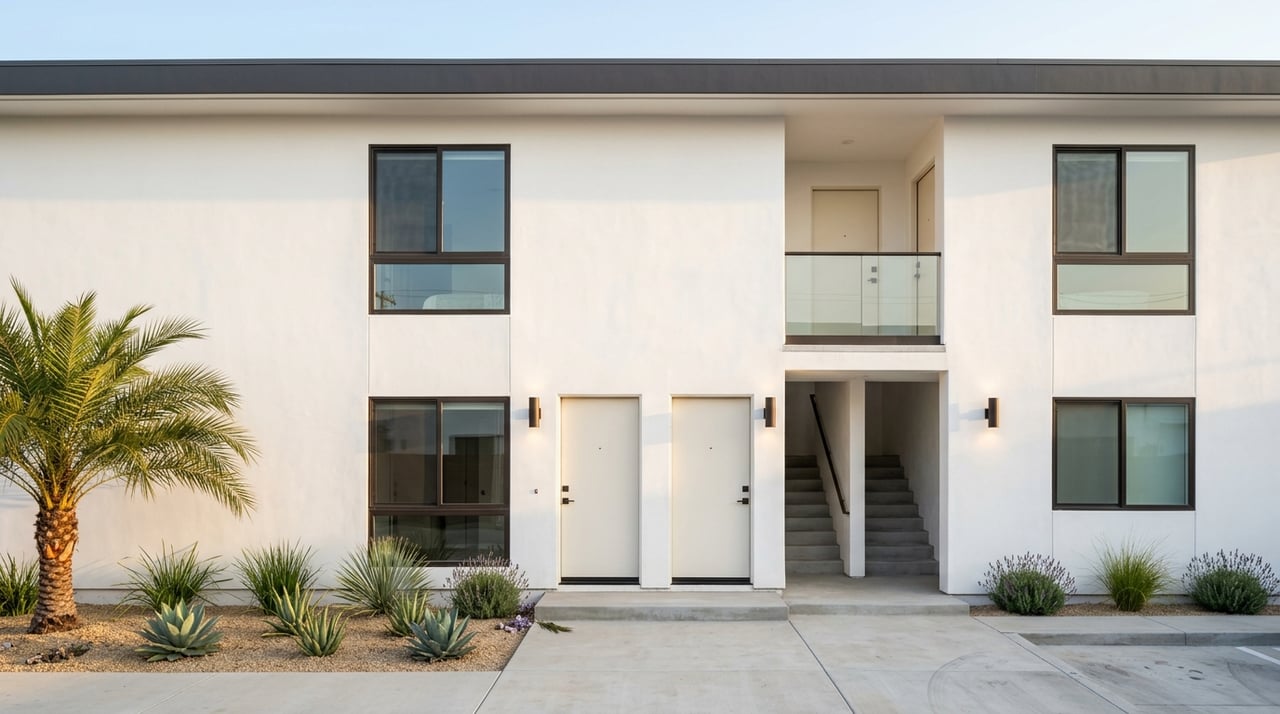
How to Evaluate Mt Hope Investment Properties
July 2, 2026
July 2, 2026
If you are looking at a Mt. Hope duplex or triplex, the biggest question is usually simple: will the numbers and the property actually work for your plan? That is a smart question, especially in a neighborhood where housing types can vary from block to block. In this guide, you will learn how to evaluate a small multifamily property in Mt. Hope with more confidence, from zoning and financing basics to rent assumptions, maintenance, and resale flexibility. Let’s dive in.
Mt. Hope is not a neighborhood where you should assume every duplex or triplex follows the same pattern. The City of San Diego describes the area as a mix of residential, industrial, commercial, and cemetery uses, with a stable residential neighborhood made up mostly of single-family homes and scattered higher-density areas north of Broadway.
That matters because small multifamily opportunities in Mt. Hope are likely to be more parcel-specific than in areas with a larger concentration of apartment-style housing. A duplex on one street may have a very different setting, income profile, or future potential than a similar-looking property a few blocks away.
Before you get too attached to projected income, verify what the parcel actually allows. The City explains that community plans refine the General Plan, while zoning and development regulations put those policies into effect.
In practical terms, that means you should confirm the property’s zoning, allowable density, and any special planning overlays before making an offer. Do not assume that because a property is currently used as a duplex or triplex, it will support the same expansion, reconfiguration, or long-term strategy you have in mind.
One reason duplexes and triplexes appeal to so many buyers is flexibility. For owner-occupants, Freddie Mac treats 2- to 4-unit primary residences as eligible property types, and qualifying may include rental income from units you do not occupy.
Appendix Q from the CFPB also allows rent from a multiple-unit property where you live in one or more units and rent the others to be considered for qualifying, as long as the income is documented and stable. That creates an appealing path for buyers who want a home and income in one purchase.
For investors, the appeal is different but related. A small multifamily property can offer income from more than one unit, which may help spread vacancy risk compared with a single-unit rental.
With a Mt. Hope duplex or triplex, pricing should not rest on asking rent alone. Fannie Mae requires the income approach for two-unit to four-unit properties, and that means the deal should be reviewed through the lens of realistic rental performance.
You will want to look closely at rent comparables, existing leases, vacancy assumptions, and operating expenses. A seller’s pro forma can be a starting point, but it should not be your final answer.
When you review these details, the goal is simple: build a conservative picture of cash flow. That helps you avoid overpaying based on optimistic assumptions.
On small multifamily properties, deferred maintenance can quickly change the economics of a deal. HUD advises buyers to inspect major systems and components such as plumbing, heating, cooling, electrical systems, roof, siding, windows, and doors.
That checklist is especially important when each unit may have a different renovation history. One unit may show well, while another may need meaningful work that affects rentability, turnover time, and near-term cash needs.
A clean top-line rent number can lose its appeal quickly if you are facing major repairs right after closing. In many cases, the real opportunity is not just finding income, but understanding the true cost to stabilize and maintain the property.
Your payment is only part of the story. In San Diego County, property is generally reassessed when ownership changes or when new construction occurs, and property tax is 1% of assessed value plus voter-approved bonds and other charges.
That means your future tax bill may look very different from the seller’s current bill. If you are building a cash-flow model, use a realistic post-purchase tax estimate instead of relying on the existing owner’s numbers.
If you plan to own the property for several years, it is wise to stress-test the deal. Ask yourself how the property performs if repairs are higher than expected or if one unit sits vacant longer than planned.
Rent growth is another area where buyers should be careful. California’s Tenant Protection Act limits annual rent increases for many older covered rentals to 5% plus CPI, capped at 10% total, and it requires just cause after 12 months for most tenancies.
That does not mean every property is covered in the same way. It means you should verify the property’s coverage status before projecting future rent increases or making renovation-based income assumptions.
For a Mt. Hope duplex or triplex, this step is essential. A deal that looks strong on paper can become less attractive if your rent growth assumptions were too aggressive.
Not every duplex or triplex should be judged by the same scorecard. In Mt. Hope, the right property for you depends on whether your priority is living in one unit, creating stable rental income, or preserving flexibility for a future resale.
A live-in buyer may care most about privacy, layout, and whether the rental units can meaningfully offset monthly housing costs. A small investor may focus more on lease strength, maintenance exposure, and the ability to manage expenses predictably.
You live in one unit and rent the others. This approach can be attractive if documented rental income helps with qualifying and monthly affordability.
You focus on stable rents, manageable maintenance, and disciplined expense control. In this case, lease quality and physical condition often matter as much as the price.
You look for a property with upside through repairs, better management, or improved unit presentation. This can work, but only if zoning, condition, and rent-rule realities support the plan.
A duplex or triplex can appeal to more than one future buyer type. It may attract both owner-occupants and investors, which can create broader resale flexibility than a single-family property.
In Mt. Hope, that flexibility may be especially useful because the neighborhood is still characterized largely by single-family homes with only scattered higher-density pockets. The likely buyer pool is often a mix of live-in buyers seeking rental support and small investors looking for stable income.
This is one reason it helps to evaluate the property beyond today’s numbers. Ask how marketable it may be later based on livability, income potential, condition, and ease of ownership.
Before you write an offer, organize your review around the fundamentals.
When you approach a Mt. Hope duplex or triplex this way, you are less likely to be swayed by surface-level numbers. You can evaluate the property as both a place and an investment, which is exactly how small multifamily should be reviewed.
If you want experienced guidance as you compare income potential, livability, and long-term flexibility in San Diego investment property decisions, schedule a private consultation with Olga Stevens Group.
Stay up to date on the latest real estate trends.

Contact Olga Stevens Group today to learn more about their unique approach to real estate, and how they can help you get the results you deserve.