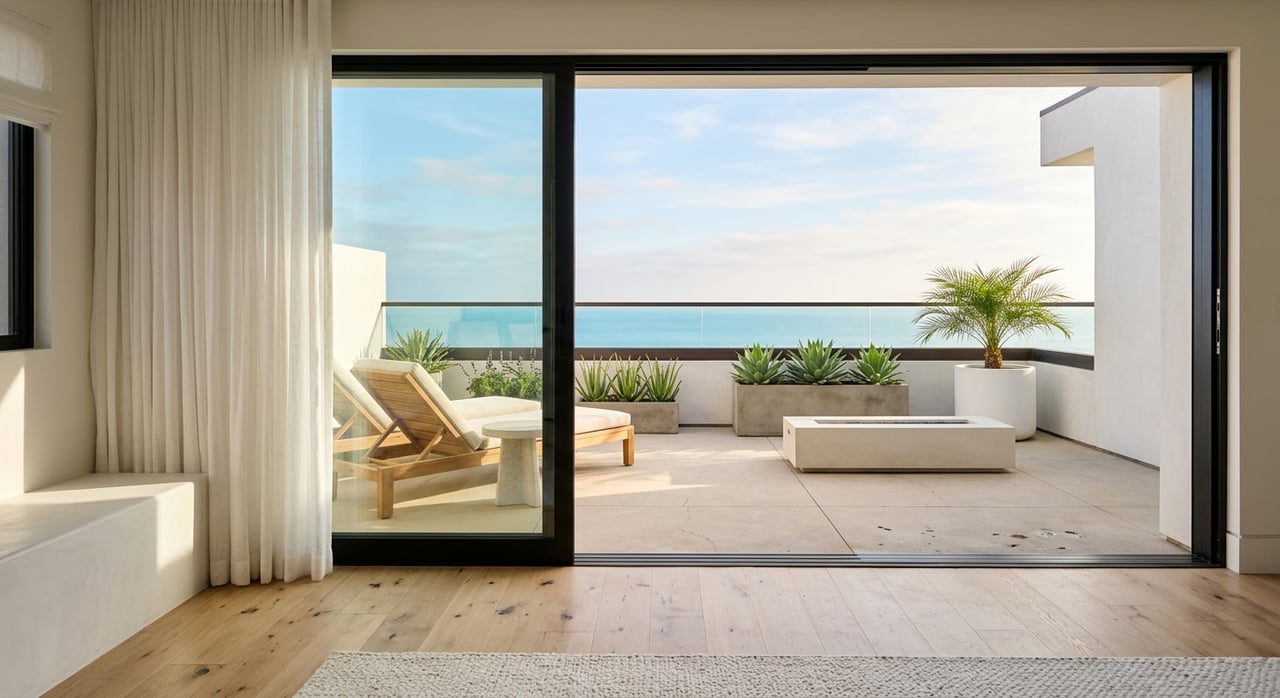
Is Del Mar Second Home Living Right Year-Round?
July 9, 2026
July 9, 2026
If you picture a second home as a place that sits empty for half the year, Del Mar may surprise you. This coastal village stays active well beyond summer, with mild weather, public events throughout the year, and a lifestyle that can feel just as enjoyable in January as it does in August. If you are thinking about owning a second home in Del Mar year-round, it helps to understand not just the appeal, but also the rhythms, logistics, and responsibilities that come with coastal ownership. Let’s dive in.
Del Mar sits about 20 miles north of San Diego and functions more like an active coastal village than a purely seasonal beach destination. The city calendar includes public meetings and community events across the year, and the Del Mar Village Association highlights recurring programming and seasonal events that keep the area engaged beyond peak travel months.
The climate is a major reason second-home owners can enjoy Del Mar in every season. Nearby San Diego climate normals show average daily highs of about 66.4°F in January and 77.3°F in August, with annual precipitation totaling 9.79 inches and most of that rain falling in winter. In practical terms, that means you are not planning around a long off-season. You are planning around subtle seasonal shifts instead.
The biggest lifestyle shift in Del Mar happens in summer. Major seasonal draws include the San Diego County Fair and the Del Mar Thoroughbred Club’s summer race season, which bring more visitors, more traffic, and a busier feel on event weekends.
For many second-home owners, that added energy is part of the appeal. Restaurants, shops, and community programming can feel especially lively. At the same time, if you value quiet weekends and easy in-and-out access, it is smart to recognize that the summer experience is very different from the rest of the year.
Outside the summer peak, Del Mar tends to feel calmer while still remaining active. Community events continue, and the village keeps its day-to-day coastal rhythm without the same level of visitor concentration.
That balance is one reason year-round ownership can work so well here. You can enjoy an active setting without feeling like the home only makes sense for a narrow seasonal window.
Winter in Del Mar is not defined by shutdowns or harsh weather. Instead, you are more likely to notice cooler temperatures, shorter days, and the region’s limited rainy period.
For a second-home owner, this matters because the property can still be comfortable and usable in winter. The tradeoff is that winter is also the season when drainage, storm prep, and weather monitoring become more important.
Owning a second home in Del Mar year-round is less about whether you can use it in every season and more about whether you are prepared to manage it well. Coastal ownership here tends to reward active oversight.
That is especially true if your home is bluff-adjacent, near low-lying areas, or otherwise exposed to coastal conditions. Del Mar’s sea-level-rise planning includes beach nourishment and management, river channel dredging, flood management, and continued beach preservation work. The city also tracks bluff conditions, beach width, and flood conditions over time.
The practical takeaway is simple: you want to treat the home as an asset that needs regular observation, not passive ownership. Drainage, erosion awareness, and storm readiness should all be part of your plan.
If you live elsewhere for part of the year, that often means setting up dependable local support. A cleaner alone is not enough for many owners. You may also want trusted inspectors, repair vendors, and property management help that can respond quickly if something changes while you are away.
Del Mar lifeguards operate year-round and patrol 2.2 miles of beach. The city warns about rip currents, unstable cliffs and bluffs, and inshore holes, with additional towers opening during summer.
For owners, that reinforces the idea that this is an active coastal environment. Whether you are visiting with guests or simply leaving a property unattended for stretches of time, it helps to stay aware of weather and beach-related conditions nearby.
A second home should feel easy to use, and in Del Mar, access planning is part of that equation. The city promotes alternative transportation options including Breeze buses, COASTER trains, bike and pedestrian improvements, and EV charging stations at the Civic Center parking garage.
During major summer events, transit can be especially helpful. The Solana Beach COASTER station serves as the hub for event shuttles. During the fair, shuttles arrive about every 15 minutes, and during race season, shuttle service to the racetrack runs about every 30 minutes.
Rail access is convenient, but it should not be your only plan. The coastal rail corridor through Del Mar has experienced landslides, erosion, and temporary shutdowns tied to bluff instability.
That does not remove the value of train access. It simply means smart owners keep backup travel options in mind, especially during storm periods or maintenance disruptions.
Possibly, but you should be very careful about assumptions. Del Mar’s short-term rental rules are formalized, and they directly affect how some buyers evaluate second-home ownership.
The city states that its short-term rental ordinance was adopted on September 23, 2024, and certified by the Coastal Commission on February 5, 2026. Existing short-term rentals are accommodated, while new permits are limited by a citywide cap of 129 and managed through a waitlist.
If rental income is part of your ownership strategy, the most important question is not what similar homes may earn. It is whether the specific property has current eligibility and permit status that align with your plans.
The city also requires short-term rental owners to collect and remit transient occupancy tax. That means any income model should be grounded in current local rules, not general assumptions about beach-market demand.
If you are considering owning a second home in Del Mar year-round, focus on the day-to-day realities as much as the lifestyle appeal.
Here are a few smart questions to ask before you buy:
These are not deal-breaker questions. They are ownership-planning questions. When you answer them early, you can buy with more confidence and fewer surprises.
Del Mar offers a rare mix of mild weather, village activity, and coastal beauty that supports genuine year-round use. It is not just a place to visit for a few summer weekends. For the right buyer, it can function as a flexible retreat that fits many parts of the calendar.
At the same time, the strongest ownership experience usually comes from going in with clear eyes. Summer crowds, coastal maintenance, transit variables, and rental regulations all shape how the property performs for you over time.
When you understand those factors, Del Mar becomes easier to evaluate not just as a beautiful purchase, but as a practical one. If you are exploring a second-home purchase in Del Mar or anywhere along San Diego’s luxury coast, the right guidance can help you weigh lifestyle, property condition, and long-term usability with more clarity. To schedule a private consultation, connect with Olga Stevens Group.
Stay up to date on the latest real estate trends.



Contact Olga Stevens Group today to learn more about their unique approach to real estate, and how they can help you get the results you deserve.